Archaeological Remains of Shum Laka Tour (8 Days Cameroon Heritage Expedition)
The Shum Laka Tour is an 8-day journey that lets you explore the rich cultural history of Cameroon’s Western Highlands and Grassfields area.It’s made for travelers who want to learn about ancient African civilizations, traditional ways of life, and the royal cultures that still exist there today.
This journey links ancient archaeology, human culture studies, and strong traditional kingdoms that are still active today. It goes beyond just visiting popular spots and instead provides a deeper, organized look at human history, starting from the ancient Shum Laka rock shelter, which is one of Central Africa’s most important archaeological sites, to the lively royal courts of the Mankon, Nso, and Bamoun kingdoms.
The experience is made better by visiting top cultural places like the Babungo Museum and MUSA Heritage Museum.These museums show off hundreds of years of skilled craft, ironworking ways, royal items, stories passed down by word of mouth, and creative ideas that are important to the Grassfields people.
This trip is great for people who study culture, go on learning journeys, research history, take photos, study human societies, and tourists who enjoy real experiences.They aren’t just looking for places to see they want to understand the stories, the background, and the history behind everything.
Shum Laka Archaeological Site Experience and Deep Prehistoric Human History.
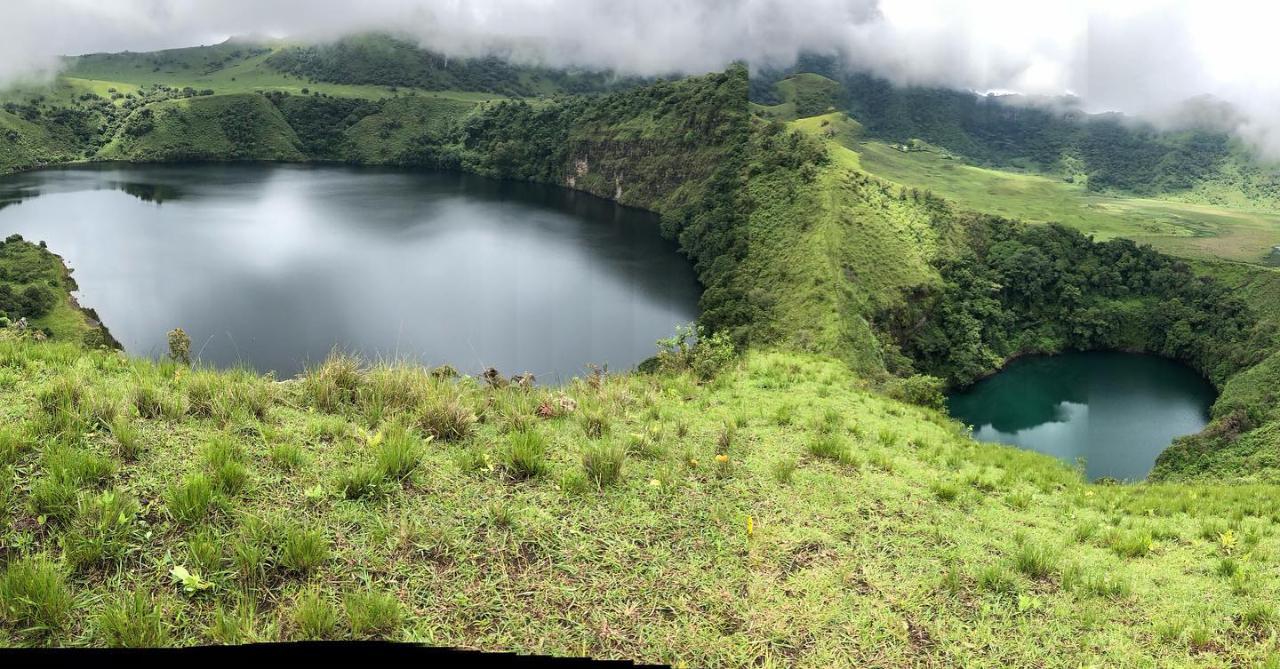
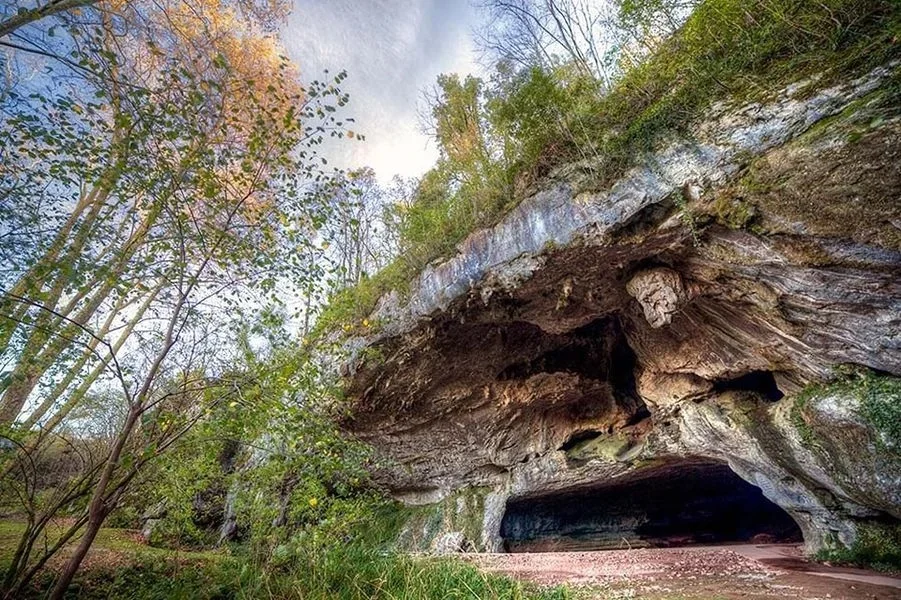
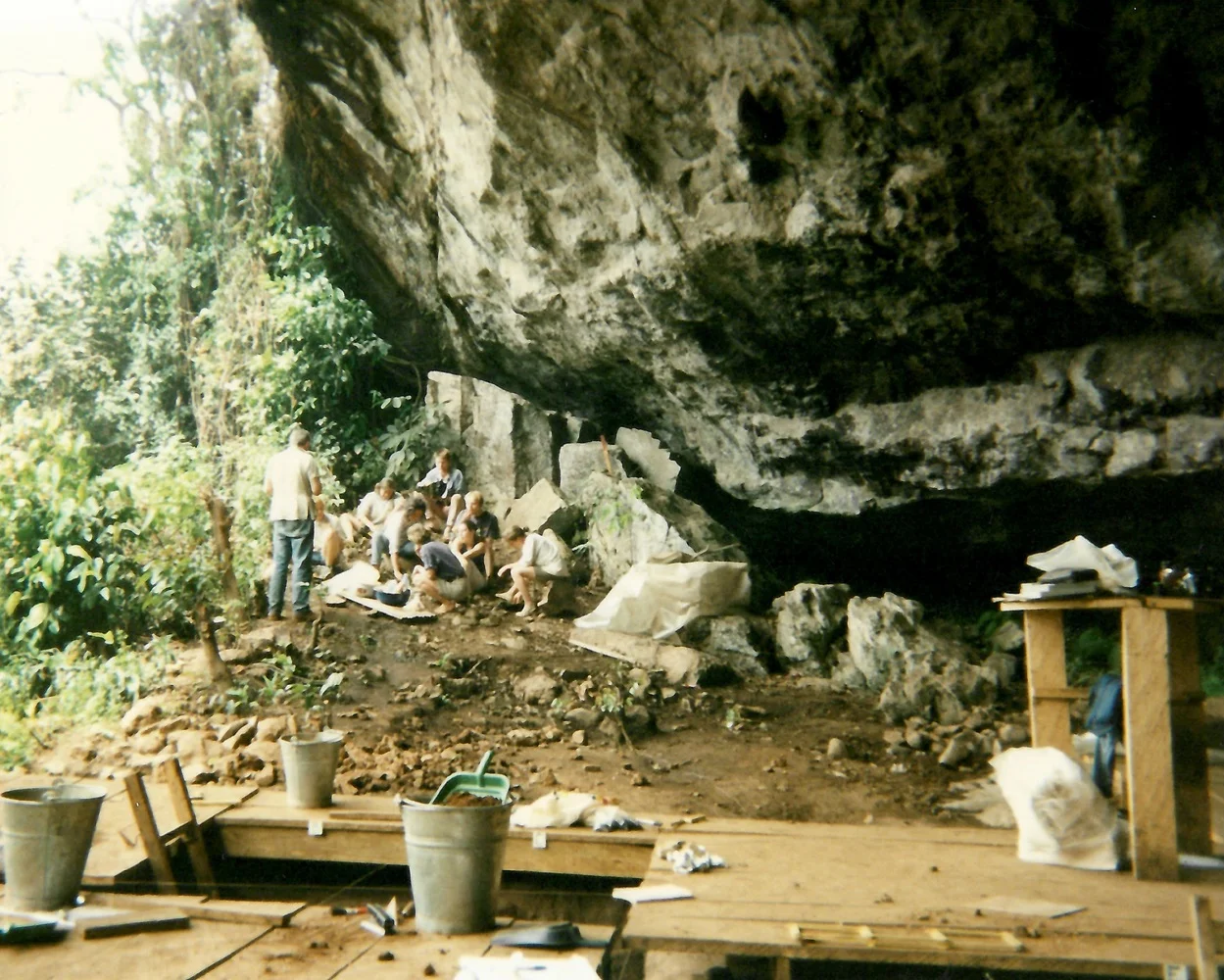
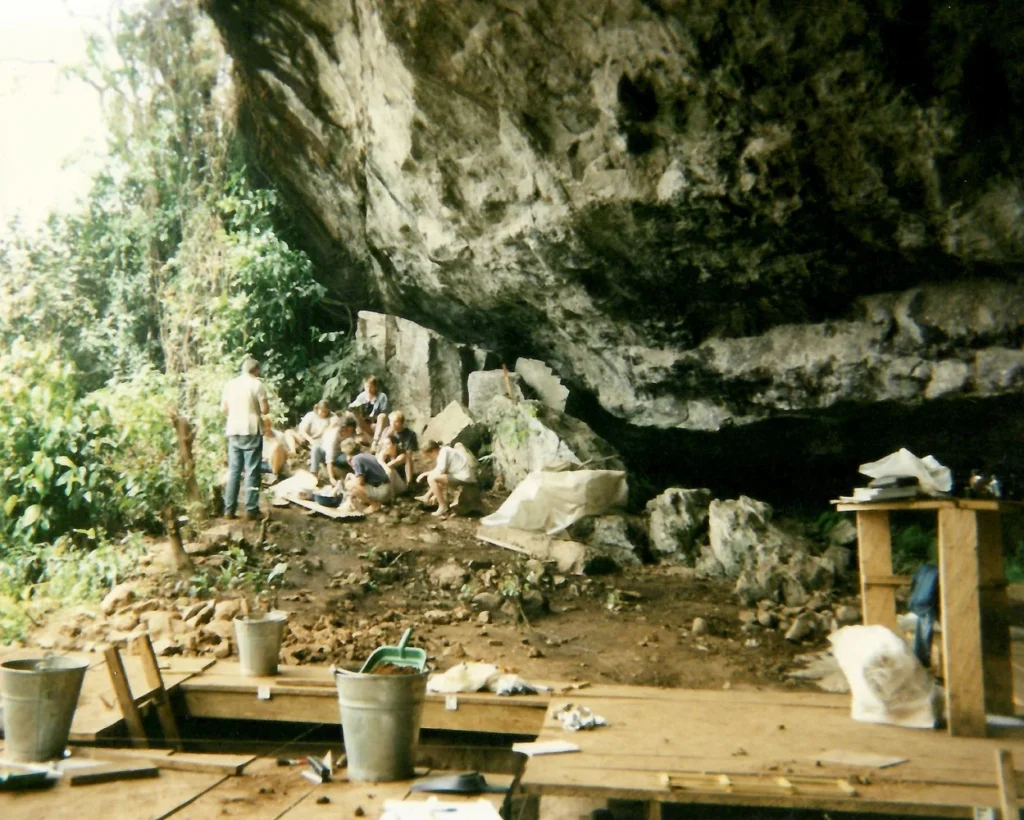
The tour of the Archaeological Remains of Shum Laka starts at the amazing Shum Laka rock shelter, which is situated close to Bamenda in the Bamenda Highlands. This site is a major archaeological find in Central Africa and has helped a lot in learning about how early humans settled in the area.
Excavations at Shum Laka have found stone tools, pieces of pottery, remains of animals, places where people were buried, and layers of culture that show people have lived there for thousands of years. These results show that the site was not just a place people stayed temporarily, but a permanent living area where early hunter-gatherers and farmers lived for a long time.
Besides the physical objects, studies of DNA from remains found at the site have given important new information about the long history of people living in Central Africa. These studies have changed how academics understand human movement, diversity, and cultural development in the area.
Taking a walk through the rock shelter today lets people stand in a special place that was once home to early humans, where they lived, adjusted to their surroundings, and managed to survive. The shelter’s natural design, along with expert explanations, creates one of the strongest archaeological experiences in Africa.
Mankon Kingdom Heritage, Royal Governance System and Living Museum Culture.
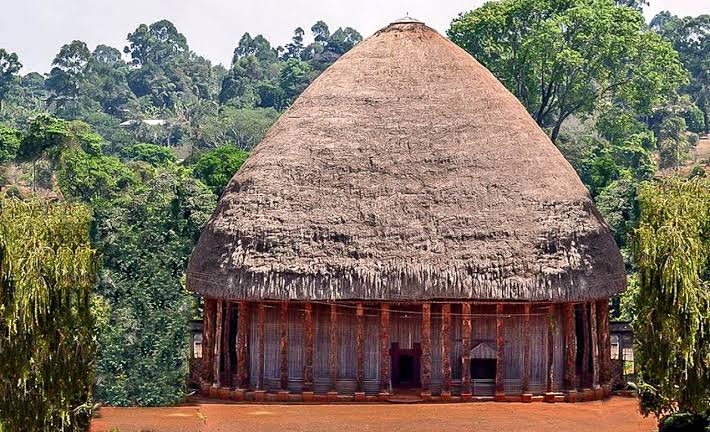
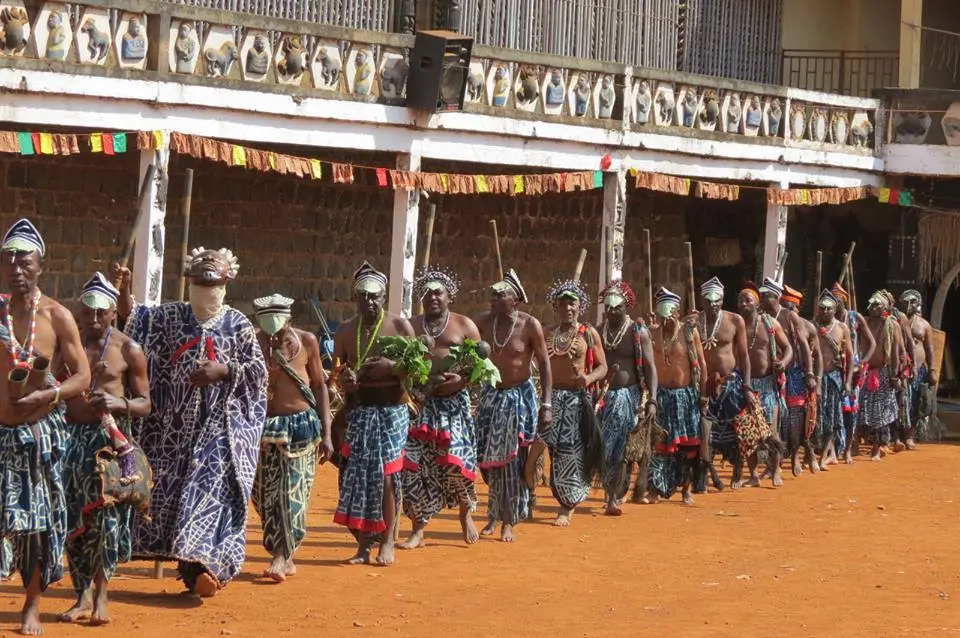
The Shum Laka Tour then moves on to the historic Mankon Kingdom, which is one of the most important traditional communities in the Bamenda Highlands. The Mankon people have had a organized way of ruling for a very long time, led by the Fon, who acts as both a protector of their culture and a leader based on tradition. The Mankon Royal Palace serves as both a home and a working cultural and political center where important ceremonies, solving conflicts, festivals, and traditions honoring ancestors continue to take place. This connection between the past and today shows that the kingdom is a real example of African traditional ways of governing that still work well in modern times.
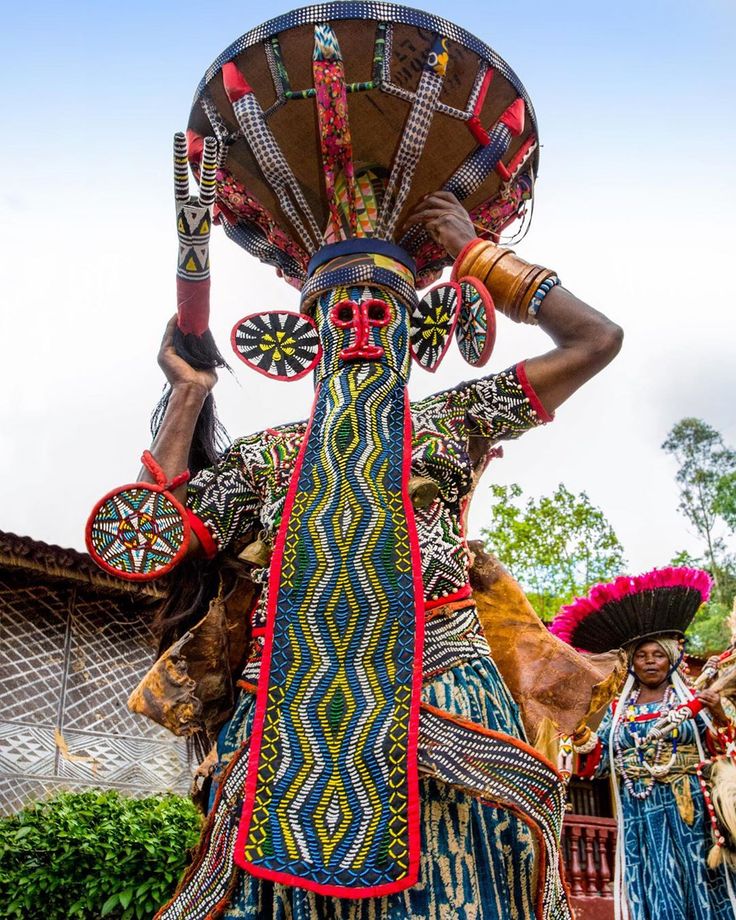
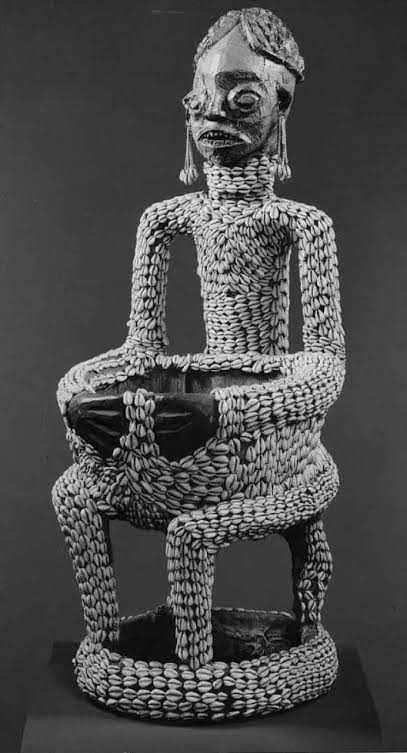
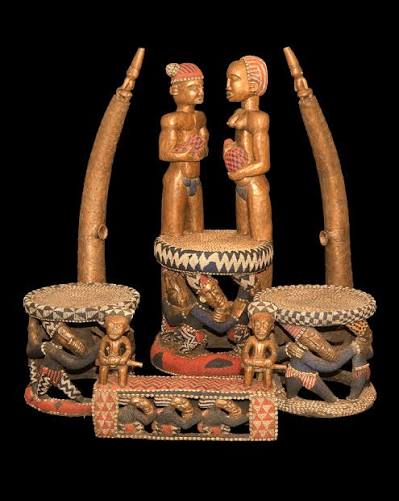
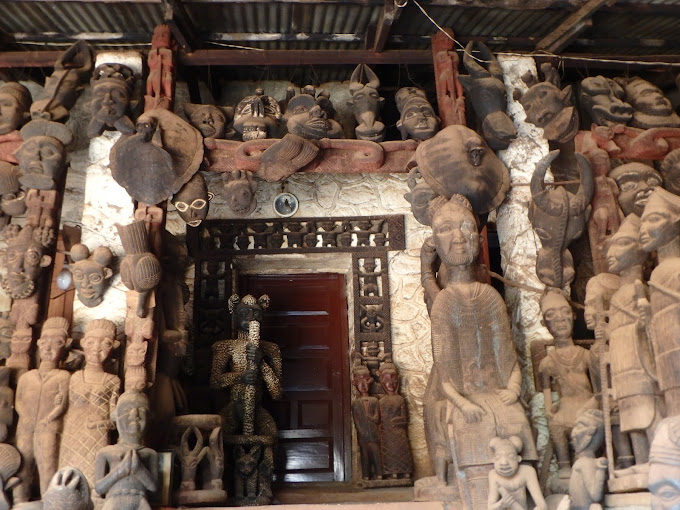
The Mankon Museum keeps a large collection of important items from the past, including royal treasures, special masks used in ceremonies, carved seats for leaders, symbols of family heritage, bronze decorations, old weapons, musical tools, and holy objects. Each item shows a particular story from history that connects to leadership, spirituality, warfare, farming, and how people organized their society. Visitors learn more about how African kingdoms built advanced ways of ruling, creating art, and forming their culture long before European countries came, and how these traditions still affect how people live and work together today.
Babungo Museum Ironworking Legacy, Artistic Mastery and Cultural Innovation
Babungo Museum showcases the rich history of ironworking, highlighting the artistic skills and cultural creativity that have shaped this tradition.It celebrates the legacy of ironworking, the expert craftsmanship involved, and how it has evolved as a form of cultural innovation. The Shum Laka Tour features the famous Babungo Museum, which is well-known around the world for keeping safe one of Africa’s most advanced traditional ironworking cultures.
The Babungo Kingdom once had a strong tradition of working with metals, which allowed them to make tools, weapons, and special items used in ceremonies.These items helped people in their everyday lives and also played a role in trade with other areas. The museum displays a variety of cultural heritage items, such as bronze castings, iron-smelting tools, traditional furnaces, carved wood pieces, royal treasures, masks, musical instruments, fabrics, and ceremonial objects that show the artistic skills of Babungo society. What makes Babungo special is how it helps record both physical and non-physical cultural treasures. Besides physical items, the museum also keeps stories passed down by people, records of royal families, knowledge about farming methods, and traditions used in ceremonies that are still carried out today.
This mix of technology, skill and keeping traditions shows how African communities created well-organized ways of coming up with new ideas long before factories and machines started to change the world. Babungo shows how the knowledge of indigenous people helped shape the region’s growth and keep their culture strong.
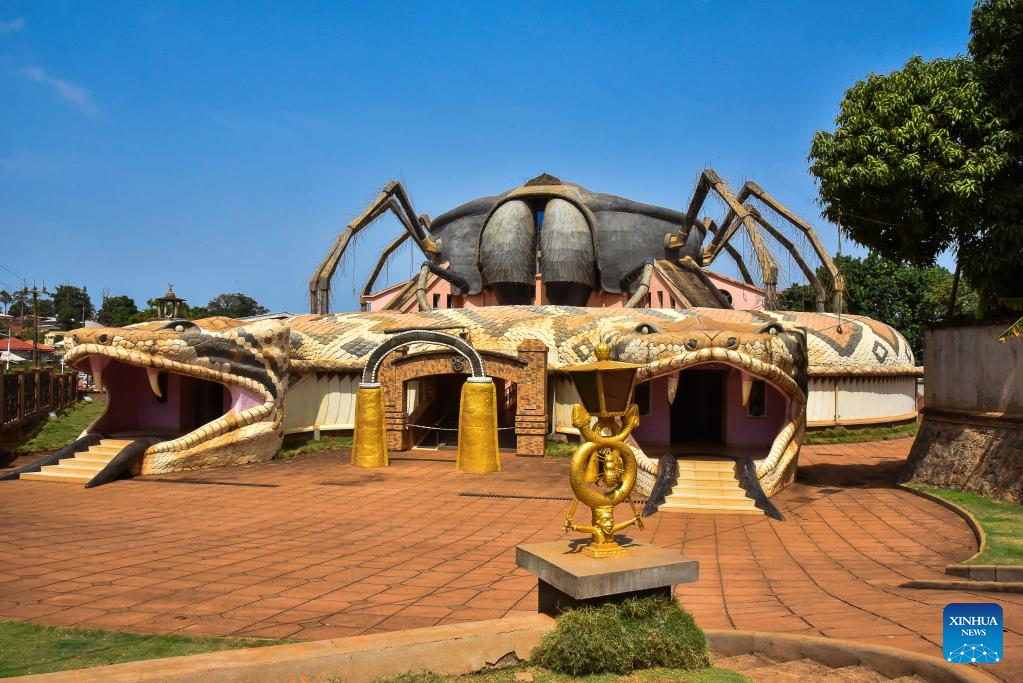
MUSA Heritage Museum focuses on keeping cultural traditions alive, showing the unique artistic style of the people, and preserving the living traditions of the grassland areas.
The Shum Laka Tour also includes the MUSA Heritage Museum, which is a modern place that works to keep, explain, and share the art and history of the Grassfields area. Unlike other museums that just keep things safe, MUSA Heritage Museum works to keep culture alive by helping local artists, organizing art shows, and passing down knowledge from older to younger generations. This makes it a lively place where heritage is not only kept safe but also created and shared.
The museum has a collection of traditional masks, carved seats, special ceremony items, royal symbols, decorated beads, clay pots, woven clothes, and sculptures that show both old and modern cultural stories. Visitors learn about how Grassfields communities keep their culture alive while dealing with changes in the modern world, through carefully selected exhibits and helpful explanations. The museum helps keep cultural heritage important, easy to reach, and financially viable for people in the future.
Nso Kingdom has a strong culture, powerful spiritual authority, and a rich heritage that is preserved in its royal museum.
The Shum Laka tour then moves to the strong Nso Kingdom, which is one of the most respected traditional groups in Cameroon. The Nso people are well-known for keeping their culture strong, having a clear way of leading their community, and maintaining a deep spiritual link to their traditions passed down from their ancestors. The Fon of Nso continues to be the main leader in the community, responsible for both cultural and spiritual matters. The kingdom has always been important in keeping things stable, keeping culture alive, and helping different kingdoms get along in the Grassfields area.
The Nso Royal Palace Museum holds important sacred items, royal clothing, old family treasures, decorated thrones, special drums used in ceremonies, traditional clothes, and tools used in rituals that show many years of strong leadership and cultural strength. The kingdom is also known for its strong social institutions, like councils of elders, age-grade groups, and secret societies that keep community life organized and help pass down traditional knowledge.
Bamoun Kingdom Artistic Excellence, Intellectual Legacy and Royal Palace Museum.
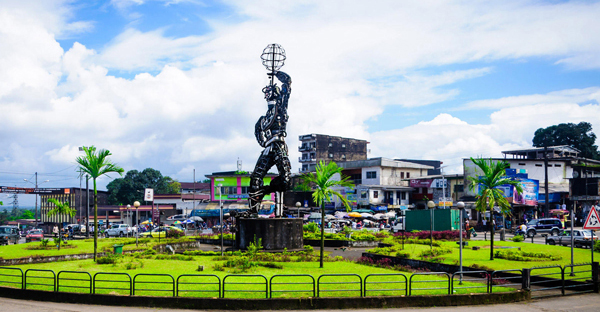
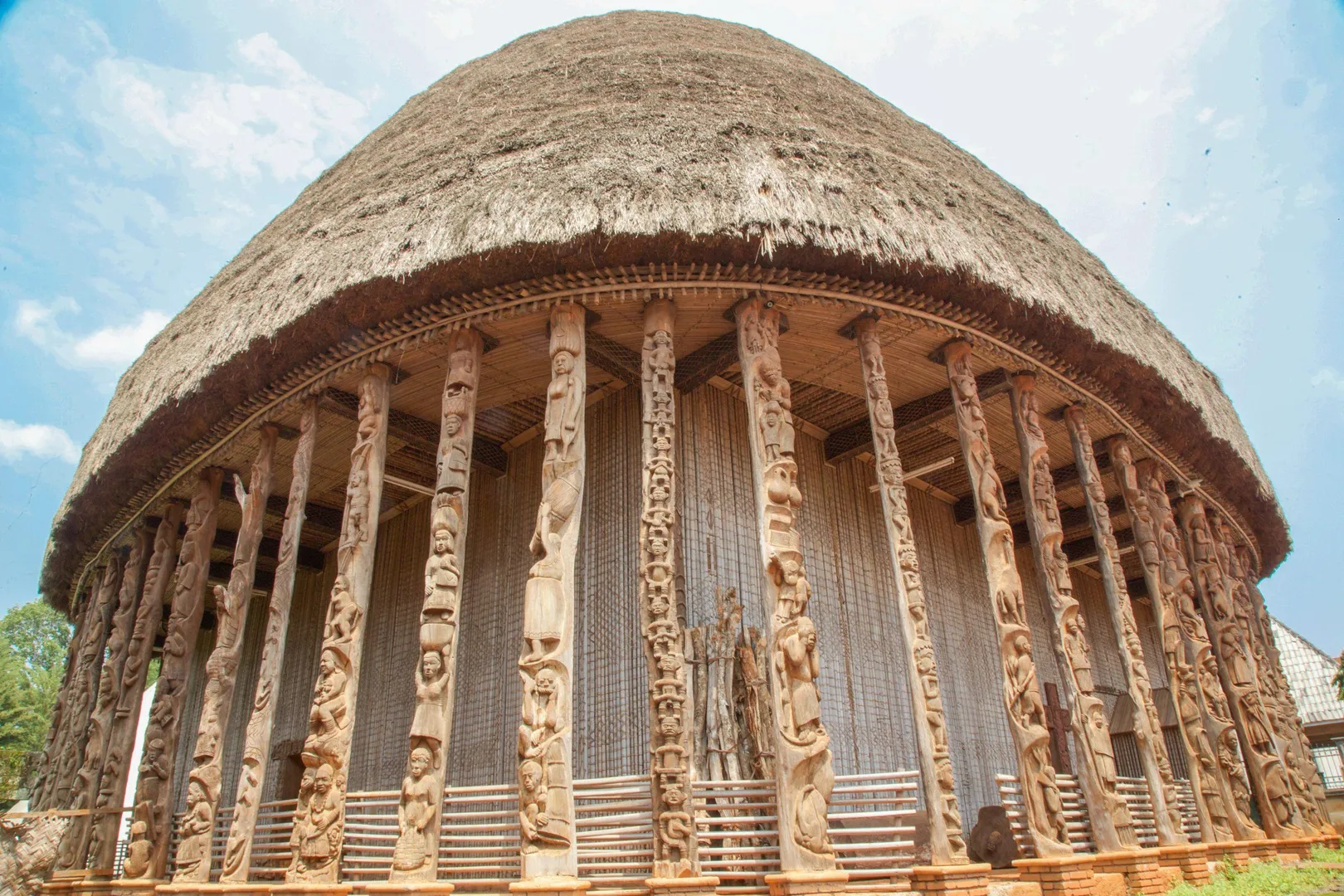
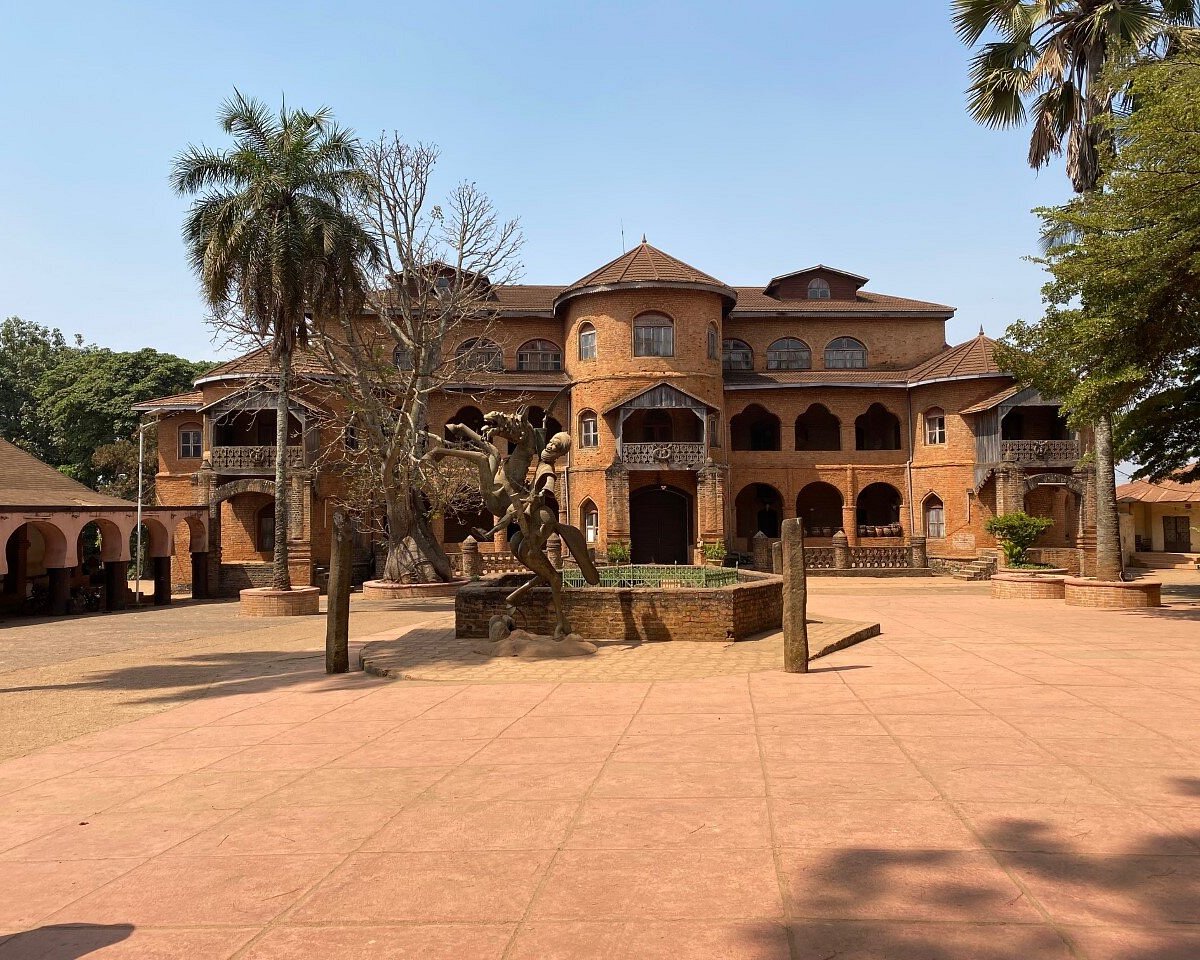
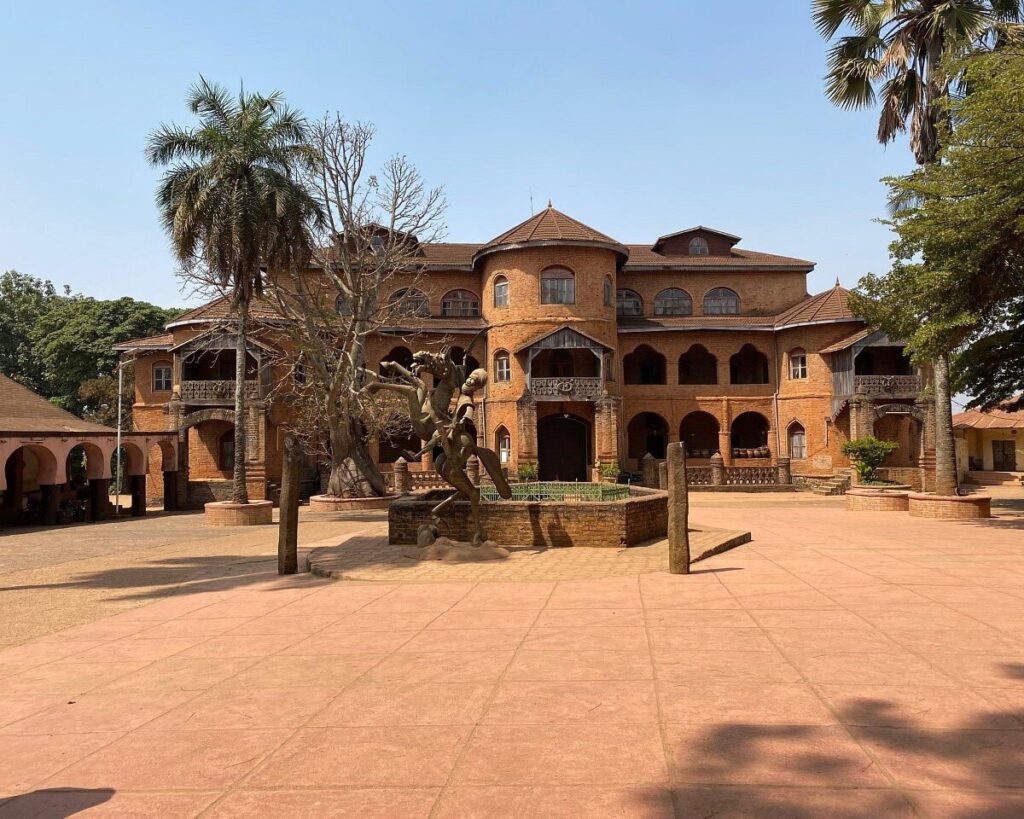
The Shum Laka Tour ends its look into the royal history of the Bamoun Kingdom of Foumban, which was one of Africa’s most creative and forward-thinking civilizations. The Bamoun Royal Palace Museum is a beautiful building that shows off hundreds of years of royal history, artwork, and smart ideas. The collection has items like carved thrones, old manuscripts, beautifully stitched royal clothes, bronze statues, special drums used in ceremonies, and written records about the rulers of Bamoun.
A key person in Bamoun history is King Njoya, who is famous for making a writing system used by his people and for supporting learning, recording information, and keeping their culture safe. His legacy stands as one of the greatest intellectual accomplishments in African history. The Bamoun people are well-known around the world for their skilled work in carving wood, making bronze items, designing textiles, and building structures.Because of this, Foumban is a key place for cultural creation in Central Africa.
Cultural Relationship Between Nso and Bamoun Kingdoms and Grassfields Civilization
The Shum Laka Tour showcases the historical and cultural ties between the Nso and Bamoun kingdoms, which are important parts of the Cameroon Grassfields civilization. The Nso Kingdom is famous for its strong oral traditions, organized government, and spiritual leadership, while the Bamoun Kingdom is known for its written history, creative art, and advancements in knowledge. They show how varied and intricate African traditional societies really are.
Even though they are different, both kingdoms have strong cultural values in common, like showing respect for their ancestors, making decisions together as a community, striving for great art, and keeping their traditions alive. Their past interactions have helped share culture, build trade connections, and create a common sense of belonging in the Grassfields area.
Why the Archaeological Remains of Shum Laka Tour Is a Unique Cultural Heritage Experience
The Shum Laka Tour offers a unique cultural journey that links ancient archaeological sites with present-day African kingdoms, providing a full story of human history in Central Africa.
This trip mixes science, culture, and history into a single organized adventure, different from typical tours. Travelers can explore everything from old rock shelters to grand royal palaces and modern museums, which helps them learn about how Cameroon protects both its old and new cultural treasures.
It’s one of the most brain-stimulating travel experiences in Africa, giving visitors a deep, real look into the local culture and meaningful ways to connect with it.Those who come aren’t just looking for a vacation they want to truly understand the people and their way of life.