Introduction to the 3000 Years Petroglyphs Tour Cameroon Experience
The 3000 Years Petroglyphs Tour in Cameroon is a special archaeological trip that takes visitors to northern Cameroon to discover one of Africa’s most puzzling ancient rock art sites. In the Bidzar area, there is a place with ancient carvings on marble rocks that are thousands of years old, giving a rare look into how early humans expressed themselves and used symbols.
This trip isn’t your usual safari; it’s a special adventure that explores old civilizations, uncovers ancient history, and shares stories through the carvings on stones. Visitors see a landscape where history is kept in the natural rock shapes, making a strong link between the past and the present. Travelers on this tour get to explore a mix of ancient history, local culture, and beautiful landscapes, offering one of the richest heritage experiences in Central Africa.
Historical Significance of the Bidzar Rock Engravings
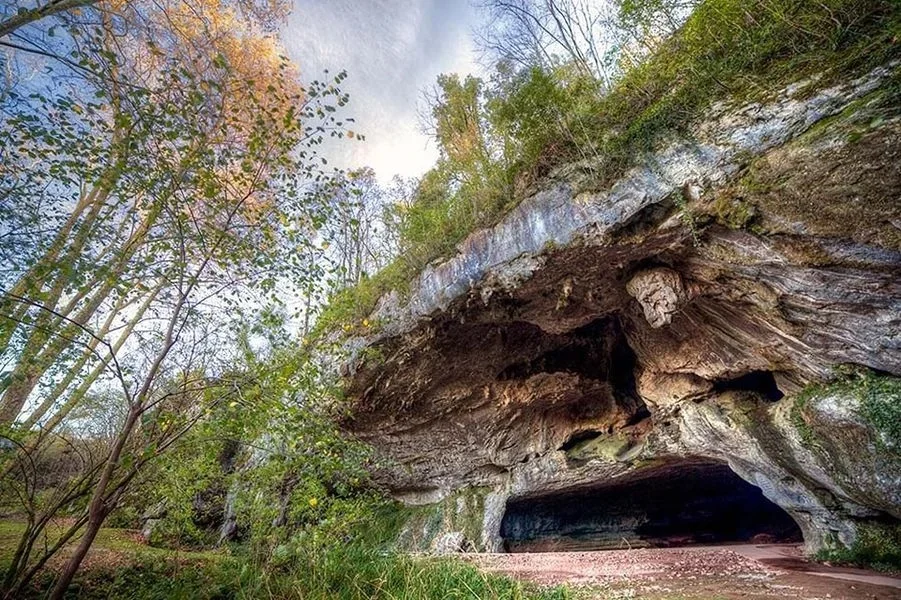
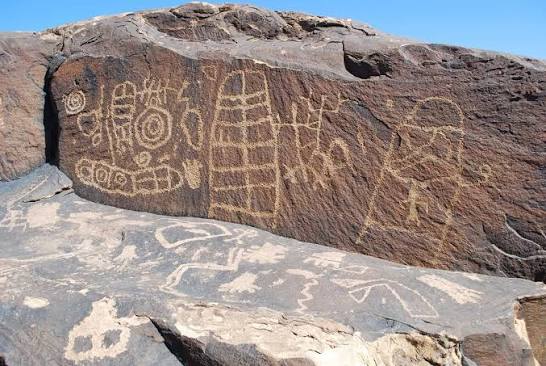
The 3000 Years Petroglyphs Tour in Cameroon focuses on the Bidzar rock site, known for its ancient carvings that are thought to be more than three thousand years old. These marks are made into limestone rocks and show one of the most important ancient cultural places in Cameroon.
The engravings show shapes like lines and circles, symbols that don’t look like real things, and designs that were carved into the surface.These might have been used by early people for religious reasons, to share messages, or to mark their land. Even though we aren’t sure about their exact meaning, they give us a good look at how creative early humans were in Central Africa.
Archaeologists are still looking at the site and connecting it to the old cultures that lived in the Sahel area long ago. The absence of written records creates a sense of mystery and makes the site even more intriguing for people who are interested in prehistoric times and how humans have evolved.
Cultural Encounters in Northern Cameroon
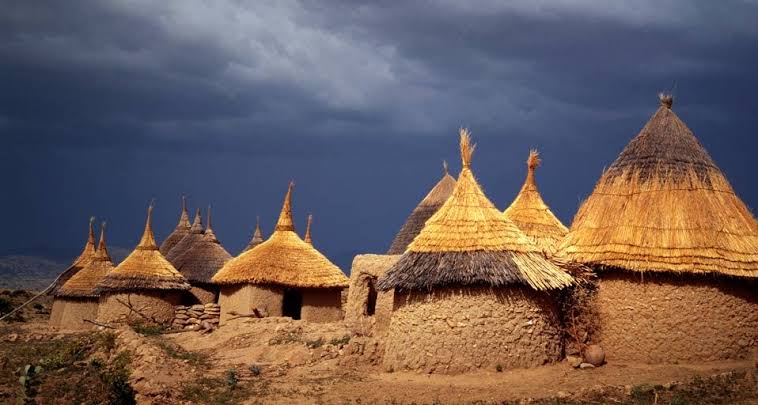
The 3000 Years Petroglyphs Tour in Cameroon also gives a deep cultural experience by involving local communities in the northern part of the country, including the Kapsiki and other indigenous groups who still live according to their traditional ways.
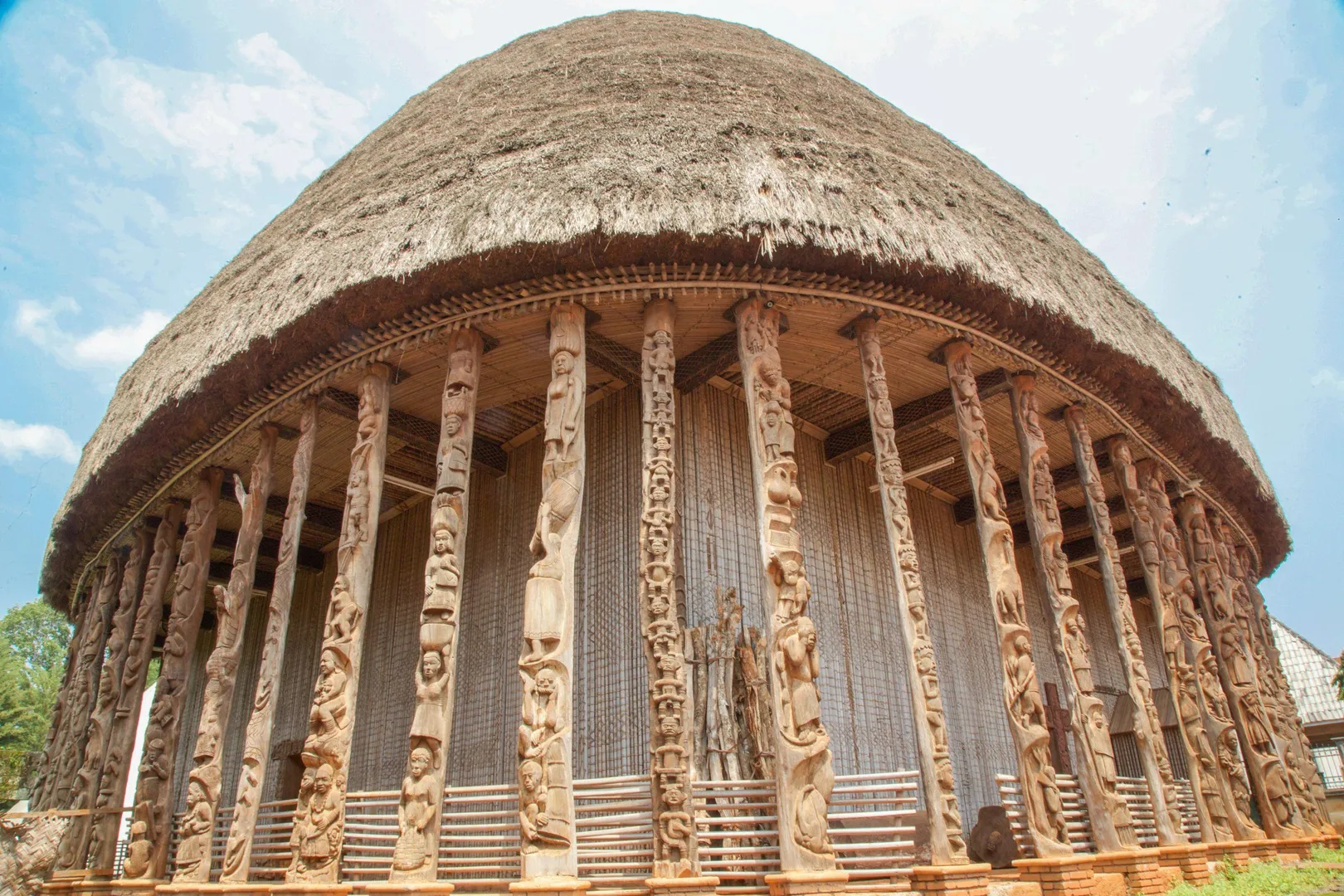
Travelers go to villages where old customs are still kept alive, like traditional farming, handmade crafts, and stories told by word of mouth. These cultural exchanges give important insight into how local communities keep their history alive without using written records.
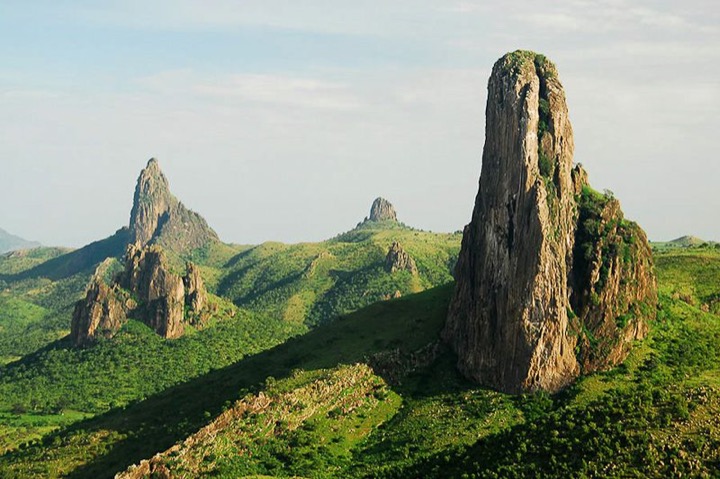
One of the special parts of the trip is Rhumsiki village, which is famous for its amazing volcanic rocks and rich cultural traditions. Here, visitors can see traditional buildings, watch local artists working, and enjoy performances that show the area’s rich culture.
Landscapes and Scenic Diversity Along the Route
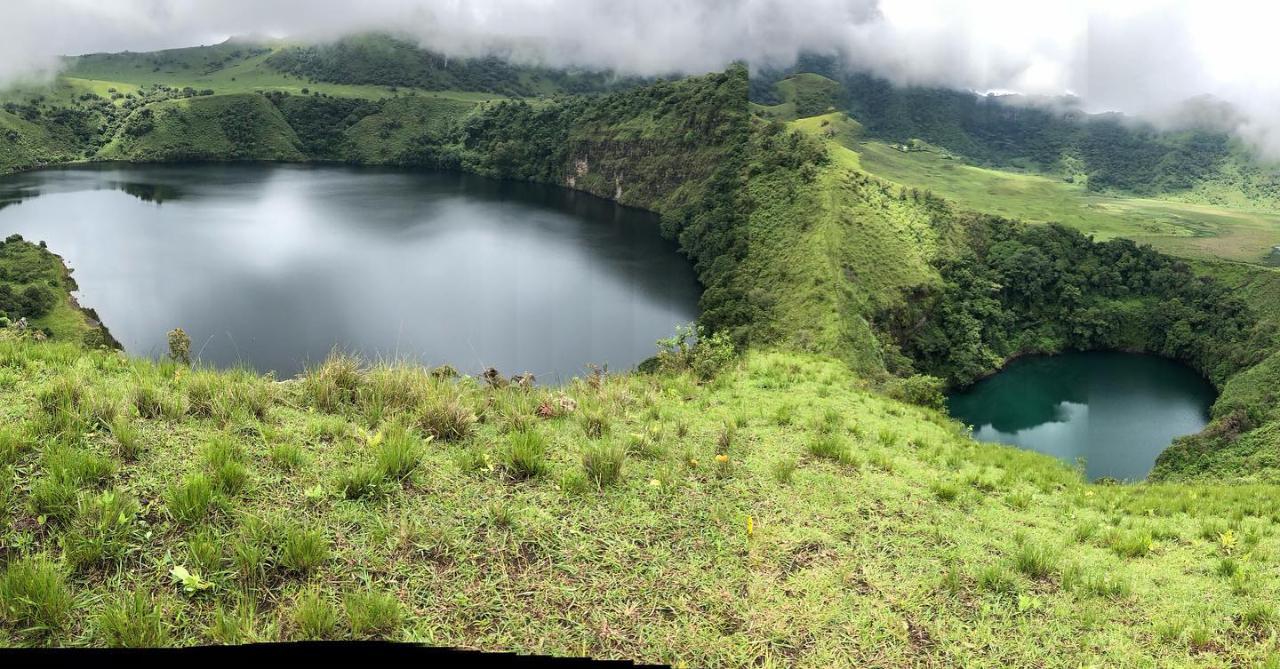
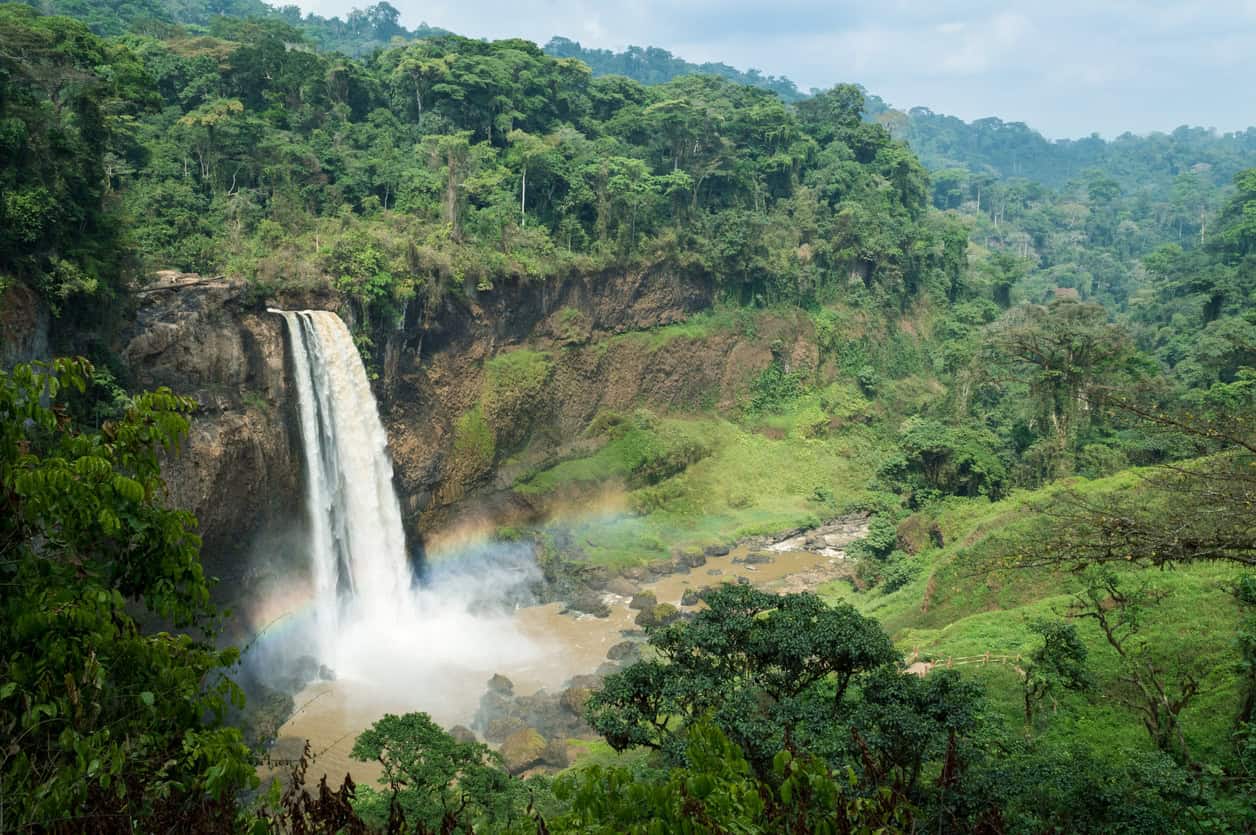
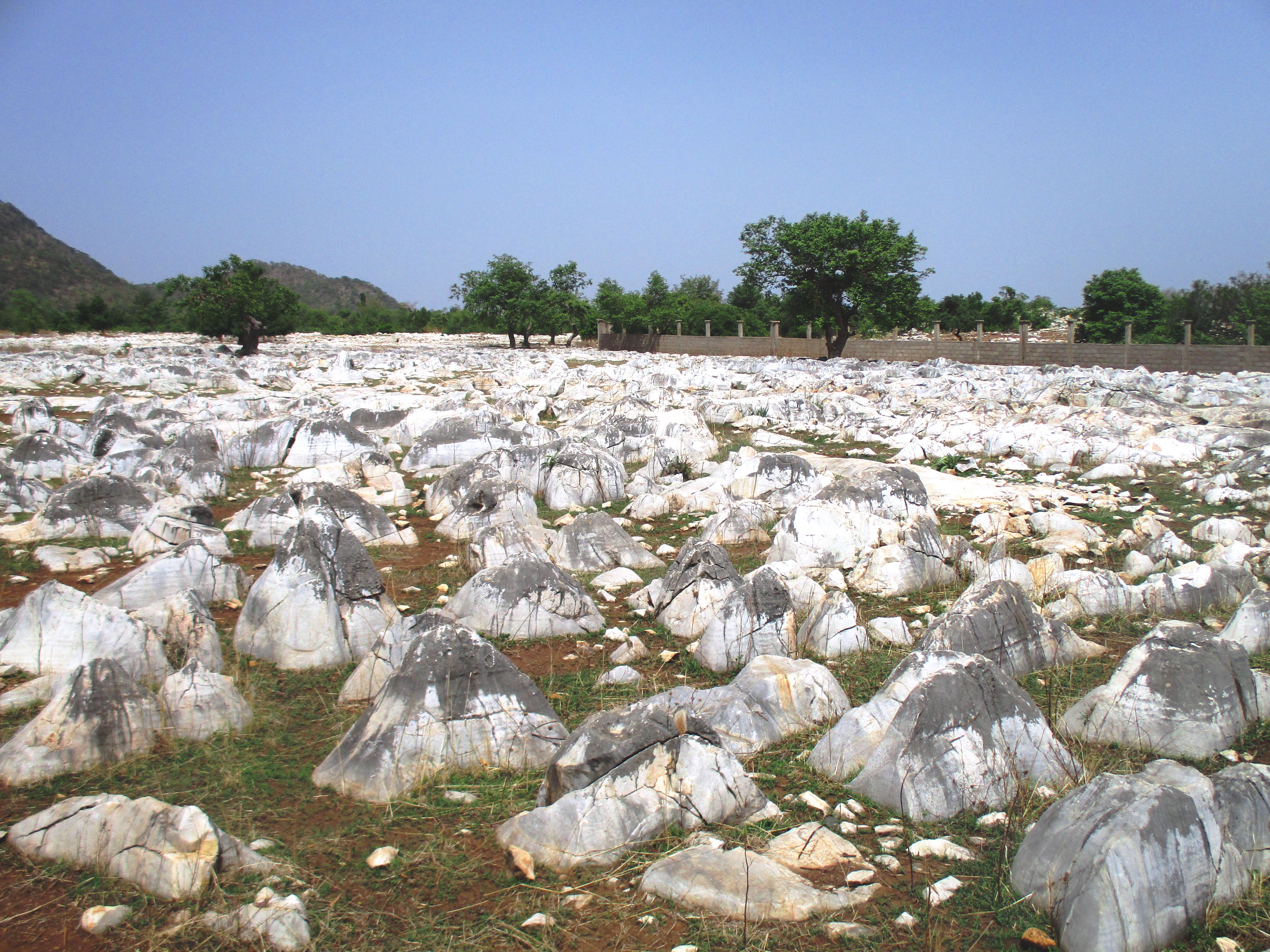
The 3000 Years Petroglyphs Tour in Cameroon takes travelers through some of the most varied landscapes in the country, moving from dense central forests to open northern savannahs and areas with volcanic landforms.
The trip goes through Yaoundé, Garoua, and the rural areas of the north before arriving at the Bidzar site. This slow change in the landscape gives a special view that shows how different parts of Cameroon’s geography look.
Rhumsiki is famous for its striking rock formations, tall mountain peaks, and wide open valleys. The sunsets in this place are really amazing, which is why photographers and people interested in culture love visiting here.
Archaeological Exploration at the Bidzar Site
The 3000 Years Petroglyphs Tour in Cameroon offers a guided visit to the Bidzar archaeological site, where tourists walk through areas with carved stones and learn about what the carvings might mean and where they come from.
Different parts of the site show different kinds of engravings, like symbols and abstract shapes. Expert guides explain what the carvings mean and tell stories about local legends connected to them.
Photography is encouraged, especially in the early morning and late afternoon when natural light makes the engravings easier to see. This experience gives a unique chance to connect directly with the ancient African heritage.
Why This Cultural Heritage Journey Is Unique
The 3000 Years Petroglyphs Tour in Cameroon is special because it brings together archaeology, cultural experiences, and beautiful scenery into one exciting trip. This experience is different from regular safaris that focus on animals and nature.Instead, it shows the history of people and old civilizations.
Travelers are attracted to this tour because it feels real, teaches a lot, and takes them to less-known places. It gives a better understanding of how African cultures have developed over time by interacting directly with historical places and current communities.
This makes the journey perfect for people who love culture, researchers, photographers, and anyone looking for real and meaningful travel experiences that go beyond just visiting popular spots.
Conclusion
The 3000 Years Petroglyphs Tour gives you a chance to visit one of Cameroon’s key archaeological sites and interact with the traditions of people living in northern Cameroon. It’s a trip that mixes history, scenery, and people coming together in a way that feels really real and engaging.
For travelers who love exploring, learning, and experiencing real culture, this heritage tour provides a special and memorable journey into Africa’s rich history.
Deeper Insight into the 3000 Years Petroglyphs Tour in Cameroon Experience.
The 3000 Years Petroglyphs Tour in Cameroon gives you more than just a look at an ancient site; it takes you on a journey through the early forms of human civilization in Central Africa. As travelers go through northern Cameroon, the land slowly shows a story that isn’t written in books, but carved into stone. The Bidzar rock engravings quietly show how humans have lived, created, and developed their culture for thousands of years.
What makes this experience special is how it blends a love for science with the traditions and history of a culture. Visitors are not only looking at old carvings but also meeting people from the local community.These people still practice traditions that show a strong link to the land. The nearby villages keep stories passed down by word of mouth, even though they aren’t written down officially.These stories help us understand how people in ancient times might have thought about these old symbols.
The journey itself enhances the experience significantly. Traveling from Yaoundé to the northern parts of Cameroon shows visitors how the environment changes a lot—from thick forests and trees to wide grasslands and rocky mountain areas. This changing landscape gives a feeling of moving through different places and times, showing that Cameroon is a country influenced by many different natural and cultural factors.
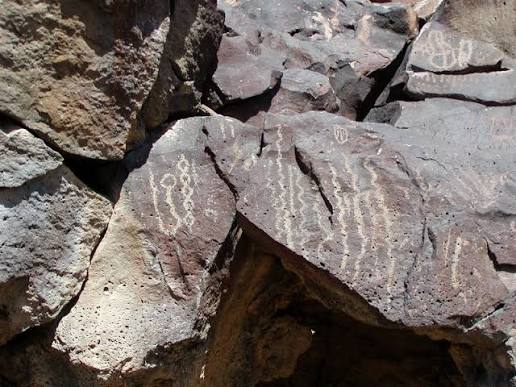
At the Bidzar site, the air feels calm and thoughtful. Big stone walls with patterns made of shapes make people think and imagine. Some people notice stars or planets in the artwork, while others think they see signs with deeper meaning or marks showing ownership. Even though we don’t know exactly what they mean, this uncertainty is what makes the place so strong. It lets every traveler build a special link with history.
Beyond archaeology, the experience also involves human interaction. Local guides help make the site come alive by sharing stories that have been told for many generations. Their explanations connect academic research with cultural memory, giving a fuller picture of the region’s heritage.