Discover East Africa Through Responsible Travel
The 14-Day East Africa Regenerative Journey is more than just a safari it’s a deep and engaging travel experience meant for travelers who are eager to learn and explore East Africa in a responsible way while also helping the places they visit. This trip takes you through Rwanda, Uganda, and Kenya, offering a thoughtfully designed plan that includes amazing wildlife sightings, hiking on volcanoes, tasting special coffee, meeting local people to learn about their culture, and supporting conservation efforts led by the communities themselves. This trip is different from regular safari vacations that mainly focus on seeing animals.Here, travelers get to meet with local people, learn from knowledgeable guides, and take part in activities that help both the community and the environment in real ways. Each place was chosen because it’s not only beautiful but also works hard to protect the environment and support the local community.
At Continental Travel & Tours, our experts in destinations often team up with local guides, eco-lodges, conservation groups, and community-based tourism businesses across East Africa. This local knowledge helps us design travel experiences that feel genuine and real, while making sure that the money from tourism goes to the people and environments that need it the most.
Why Choose a 14-Day East Africa Regenerative Journey?
Many travelers hope to see gorillas, volcanoes, and wild animals in Africa, but not many know that this 14-Day East Africa Regenerative Journey trip can make a bigger difference when each activity helps protect the environment and support the local people. This plan was created based on the ideas of regenerative tourism, which is an increasing trend that does more than just being eco-friendly.It aims to make places better than they were before people visit them. Instead of just seeing sights, guests get involved in activities that help local communities, protect animals, and keep traditional cultures alive. Whether you’re sipping freshly roasted coffee with farming families in Rwanda, learning about the forest from the Batwa community, or exploring Kenya’s community conservancies, each experience is carefully picked to build real connections.
The United Nations World Tourism Organization (UN Tourism) says that sustainable tourism needs to take care of the environment, protect cultures, and help the local communities by creating jobs and growing the economy. Similarly, the World Travel & Tourism Council (WTTC) points out that responsible tourism helps create jobs that last a long time and also helps keep natural and cultural sites safe. This trip was made with well-known international standards in mind, so travelers can have amazing experiences while helping the people and animals of East Africa.
Experience Rwanda Beyond Traditional Gorilla Tourism
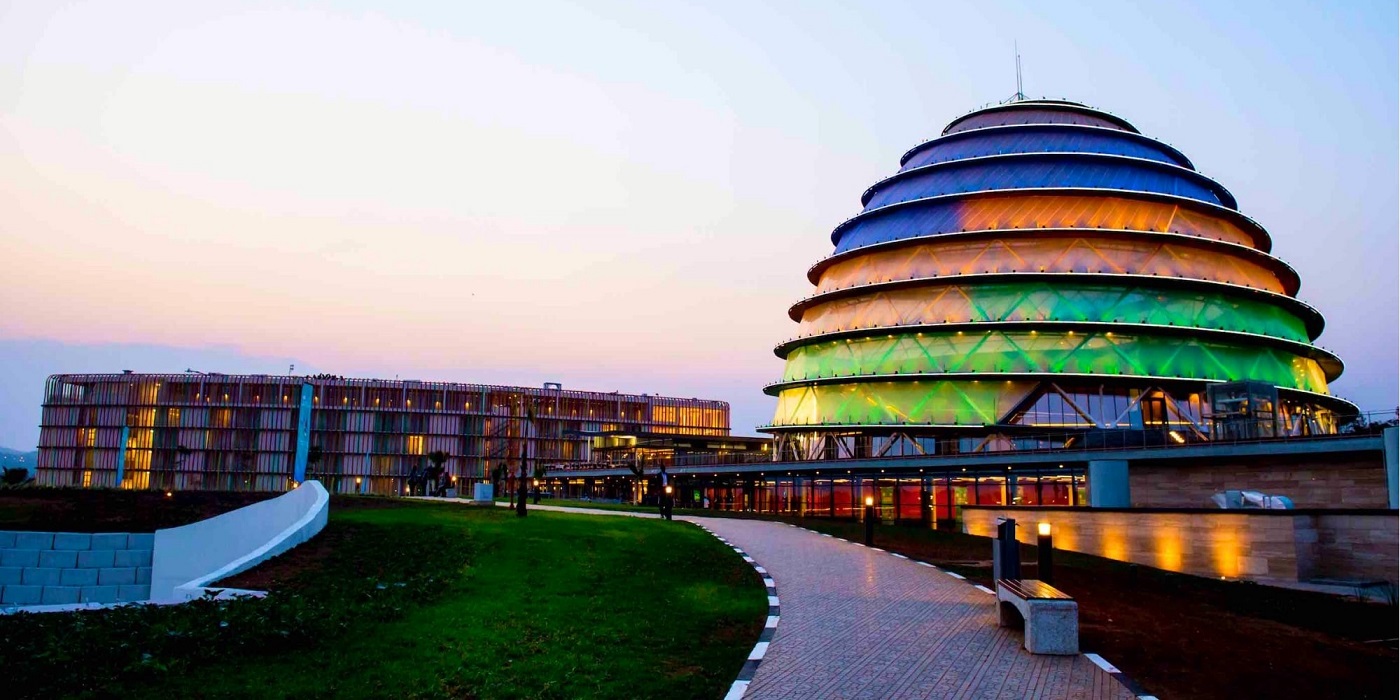
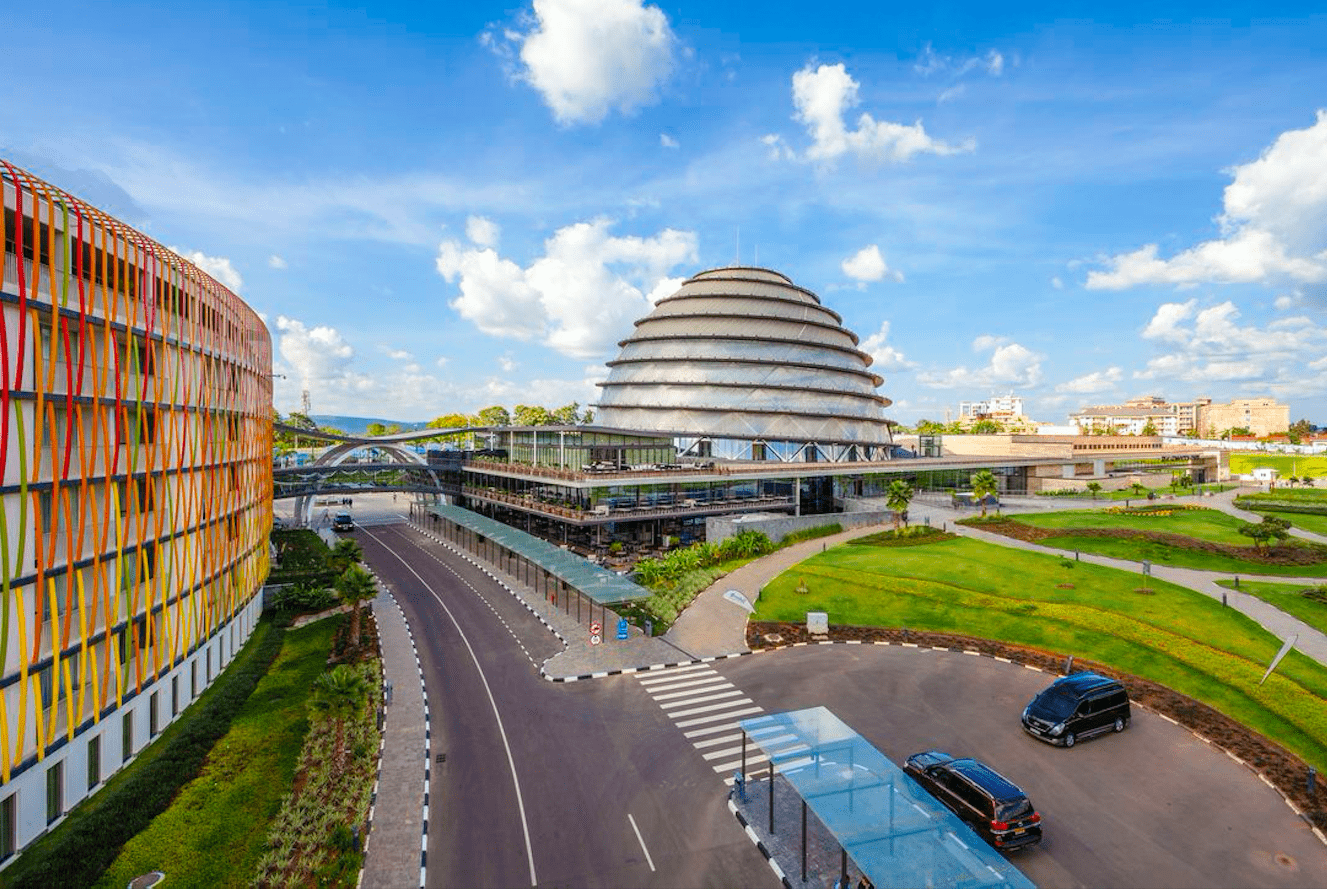
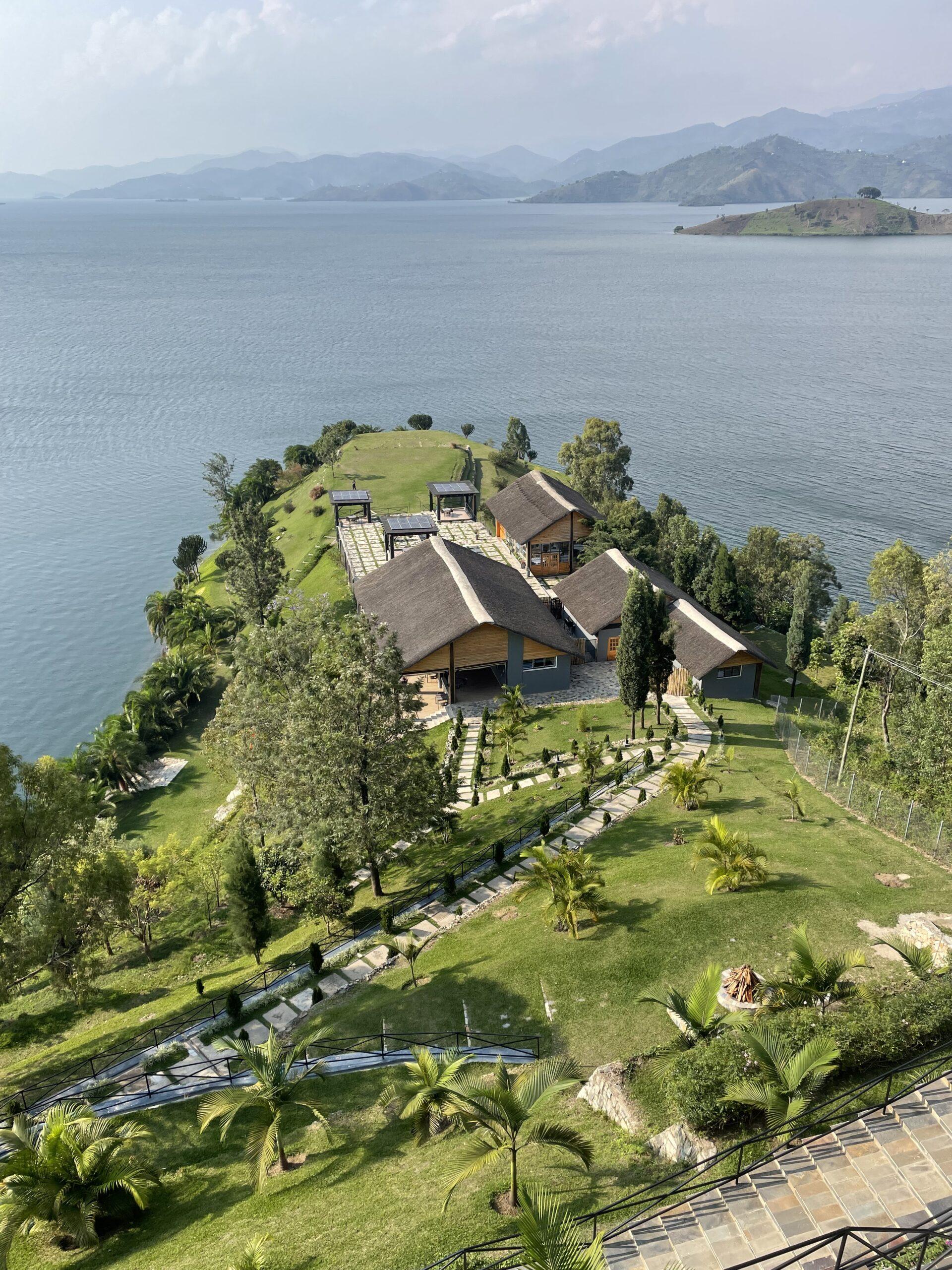
When many visitors think about Rwanda, mountain gorillas are usually the first thing that comes to mind. Gorilla trekking is still one of Africa’s top wildlife adventures, but Rwanda has much more to offer than just that one famous activity. This 14-Day East Africa Regenerative Journey trip helps visitors take their time and see the country’s different places, friendly people, and great achievements in protecting nature. Guests start their journey in Kigali, which is one of Africa’s cleanest and safest cities. They then travel through the rolling hills that make Rwanda known as the “Land of a Thousand Hills.” On the way, they see calm lakes, volcanic forests, busy coffee farms, and community-based tourism projects that are not usually included in typical travel plans.
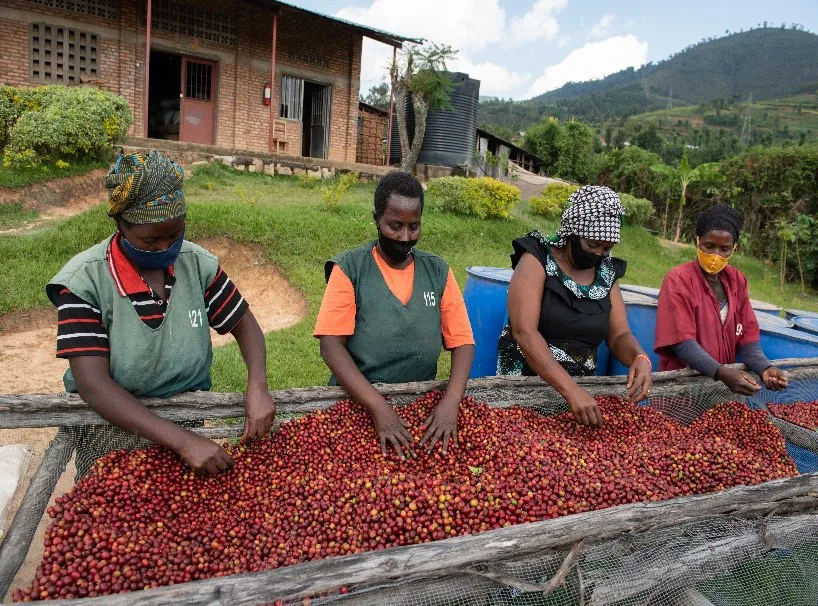
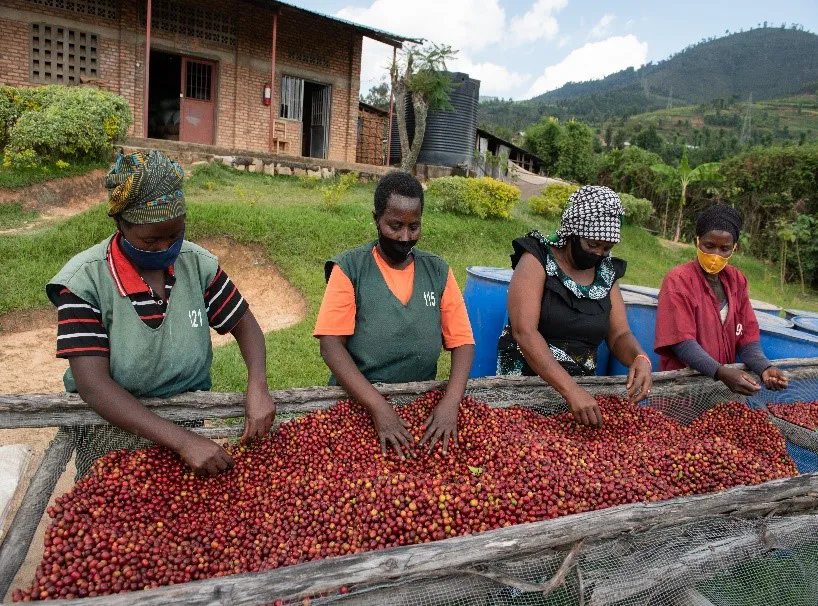
One of the special parts is getting to know the coffee farmers in Nyamasheke, where visitors join in all the steps of making coffee from picking the beans, cleaning them, drying them, roasting them, to finally tasting the coffee. Rwanda is now known around the world for making some of the best Arabica coffee.Tourism helps the communities that grow coffee earn more money and also supports fair-trade practices. Another amazing experience happens near Volcanoes National Park, where visitors get to meet people from the Batwa community. Instead of treating culture as just something for fun, these interactions promote thoughtful conversation and mutual understanding. Visitors learn about traditional knowledge from the forest, how plants are used for medicine, stories that are passed down, the music people play, and the difficulties that indigenous groups are dealing with as they try to adjust to new ways of living.
These experiences give a deeper knowledge of Rwanda and help spread tourism money from national parks to nearby communities.
Authentic Coffee Tourism in Rwanda and Uganda
Coffee is more than just something East Africa exports it plays a big role in daily life, family customs, and how people make a living in rural areas. Throughout this trip, guests learn about coffee from the viewpoint of the people who grow it. In Rwanda, visitors are greeted by local cooperatives where they get to join farmers in the coffee making process, starting from picking the ripe cherries to roasting the beans using traditional charcoal fires. Sitting together with a fresh cup of coffee gives a chance to share stories, talk about eco-friendly farming techniques, and see how high-quality coffee has changed life in many small villages. The trip moves into Uganda’s rich highlands, where small farmer families grow Arabica coffee under native shade trees. Guests go to family-run farms, learn about eco-friendly farming methods, and eat meals that are cooked at home using fresh vegetables and fruits picked straight from nearby gardens.
More and more people are starting to see coffee tourism as a valuable way to help develop rural areas. A study from the International Coffee Organization found that special tourism activities can help coffee farmers earn more money and also push them to care more about protecting the environment in their farming. Helping with these efforts lets visitors experience real, local culture while also supporting the local economy. For many travelers, meeting people and having genuine conversations are some of the best parts of their trip. These moments give them a true sense of welcome and help them learn more about East Africa’s farming traditions.
Gorilla Trekking and Wildlife Conservation with Purpose
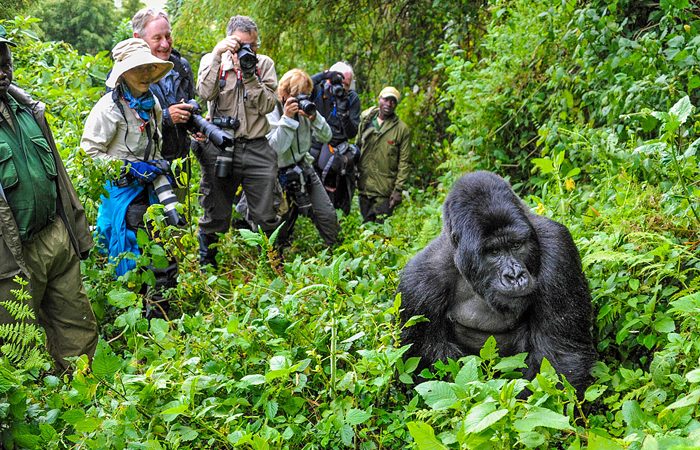
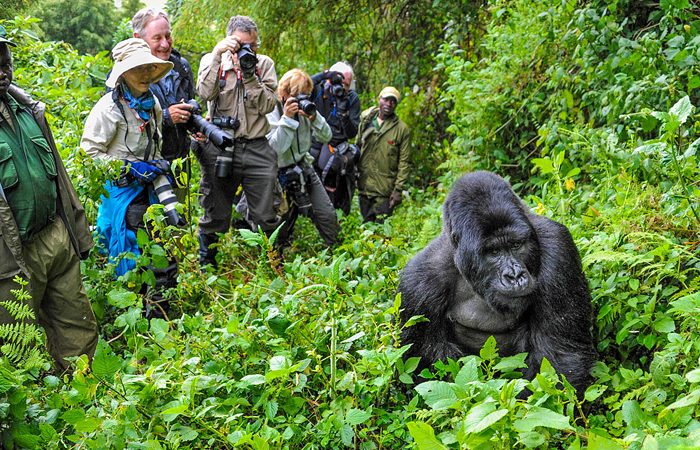
The 14-Day East Africa Regenerative Journey trip to Bwindi Impenetrable National Park in Uganda is one of the most memorable experiences on this journey. Bwindi is home to nearly half of the world’s remaining mountain gorillas, making it a special place where you can see these rare primates in their natural environment, with the help of skilled park rangers who guide the visits. The trek is an exciting journey through an old rainforest full of birds, butterflies, and big trees. After that, guests get to spend one amazing hour watching a gorilla family that used to live in the area. Watching young gorillas play, mothers take care of their babies, and silverbacks quietly watch over the group, which builds a strong emotional bond that can’t be shown through photos alone.
Besides the experience, gorilla tourism has become a major success story for conservation in Africa. Money from gorilla permits is used to support anti-poaching efforts, animal healthcare, protecting their natural habitat, conducting research, and programs that help local communities and reduce conflicts between people and wildlife. This shows how responsible tourism can help endangered animals survive for a long time and also improve the lives of people living nearby. Gorilla trekking needs some physical fitness because the ground is not flat and the weather can change, but the guides who know the area adjust their pace to fit what each group can handle, so most people who are reasonably active can enjoy it. Guests should bring along comfortable hiking shoes, rainproof clothes, and a willingness to enjoy an adventurous experience.
By taking part in gorilla tourism that is properly managed, visitors help support one of the best wildlife conservation efforts in the world, instead of just watching from the sidelines.
Volcano Hiking and Community-Based Nature Experiences in East Africa.
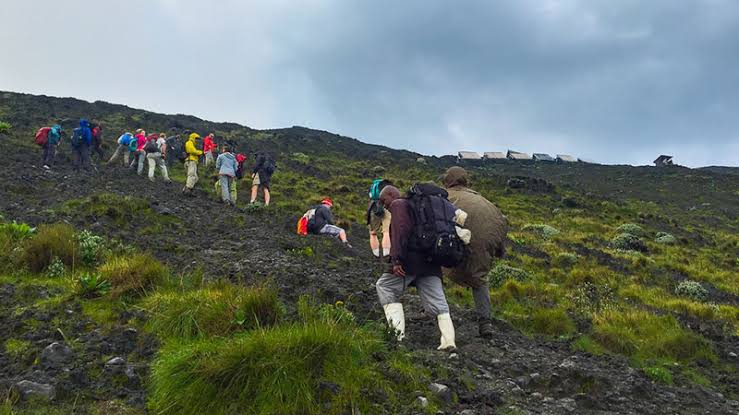
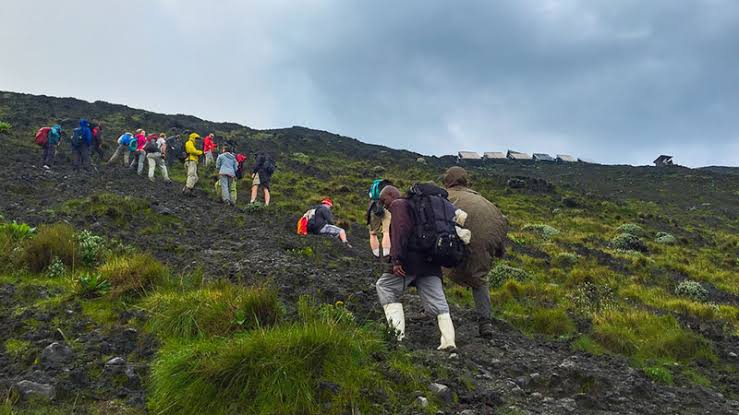
One of the key highlights of this 14-Day East Africa Regenerative Journey is the chance to experience volcanic areas that go beyond what most tourists usually see. While many trips only include gorilla trekking, this journey offers guests the chance to explore some of East Africa’s most beautiful mountain areas through guided volcano hikes and nature experiences led by local communities. Hiking up Mount Bisoke in Rwanda’s Virunga Massif is a great adventure that takes you through bamboo forests, grasslands found at higher elevations, and steep slopes covered in fog, leading to the amazing crater lake at the top. As you walk along the trail, friendly local guides tell you interesting stories about the area’s wildlife, the volcanoes that shaped the land, the plants used for healing, and the efforts being made to protect the park.
The adventure moves on to Uganda, where the foothills of Mount Elgon and the amazing Sipi Falls provide a calmer option compared to the busier trekking spots in other parts of East Africa. Guests take guided walks on coffee farms, visit waterfalls, caves, and high viewpoints, and learn about farming methods that help support local communities and protect the delicate mountain environment.
These experiences focus on smaller groups and involve people directly working with local communities, which is different from large-scale tourism. Local guides, porters, accommodation owners, and farmers all gain from tourism money, which helps lessen the stress on natural resources and supports ongoing conservation efforts. This method shows how travel can help both people and the environment in a good way, just like regenerative tourism does.
Community Conservancies and Conservation Safaris in Kenya
Kenya is well-known around the world for its amazing wildlife, but some of the country’s best conservation achievements can be found beyond the usual national parks. Rather than joining busy safari routes, this trip brings travelers to Laikipia and Ol Pejeta Conservancy, where protecting wildlife and helping local communities go together smoothly. Community conservancies are one of Africa’s most effective ways to protect the environment. Local landowners choose to set aside parts of their land to help protect wildlife, while still carrying on with farming animals in a way that’s good for the environment and supporting the local community. The money from tourism in these conservancies helps pay for rangers’ salaries, provides healthcare, funds schools, supports programs that help women, and helps restore animal habitats.
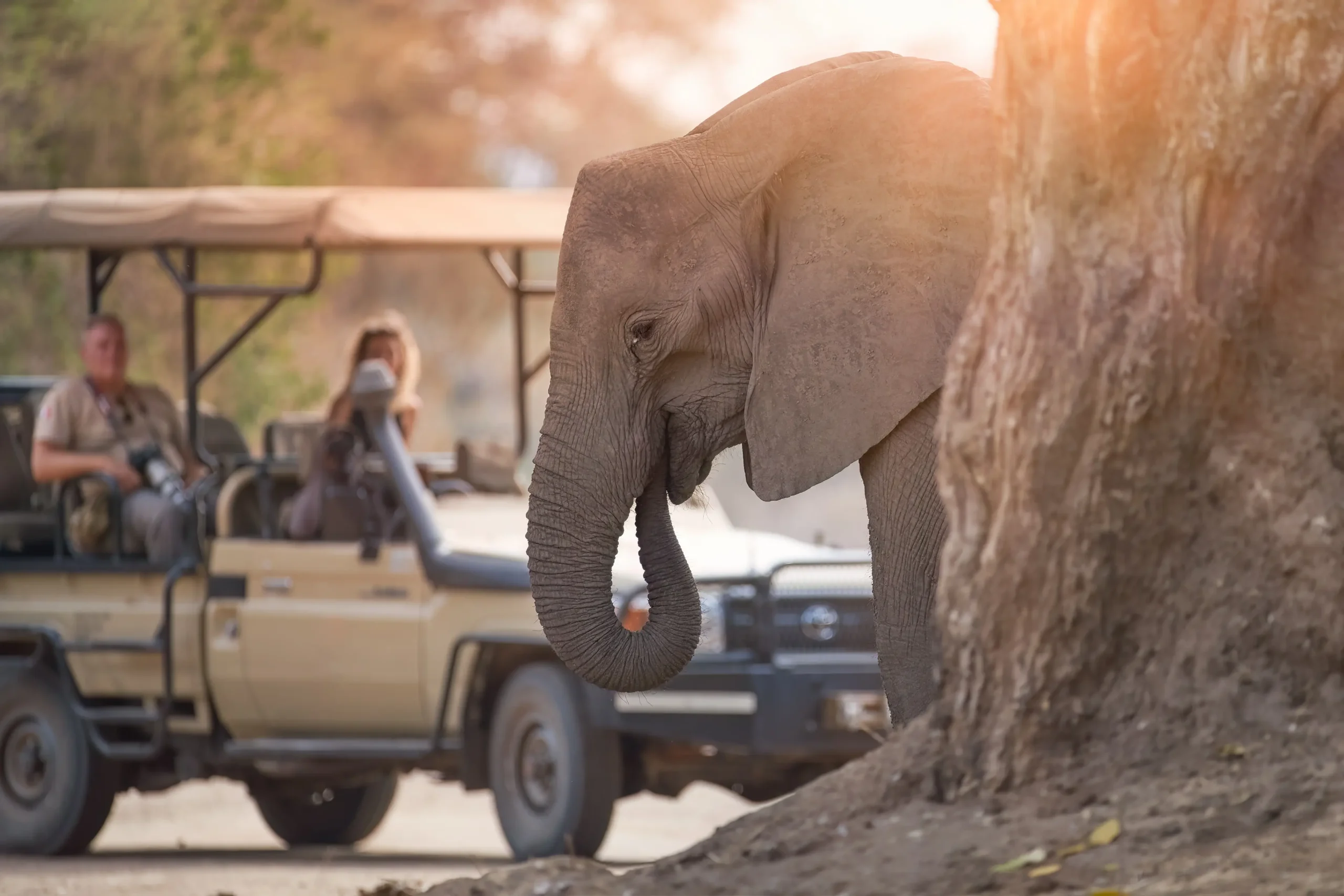
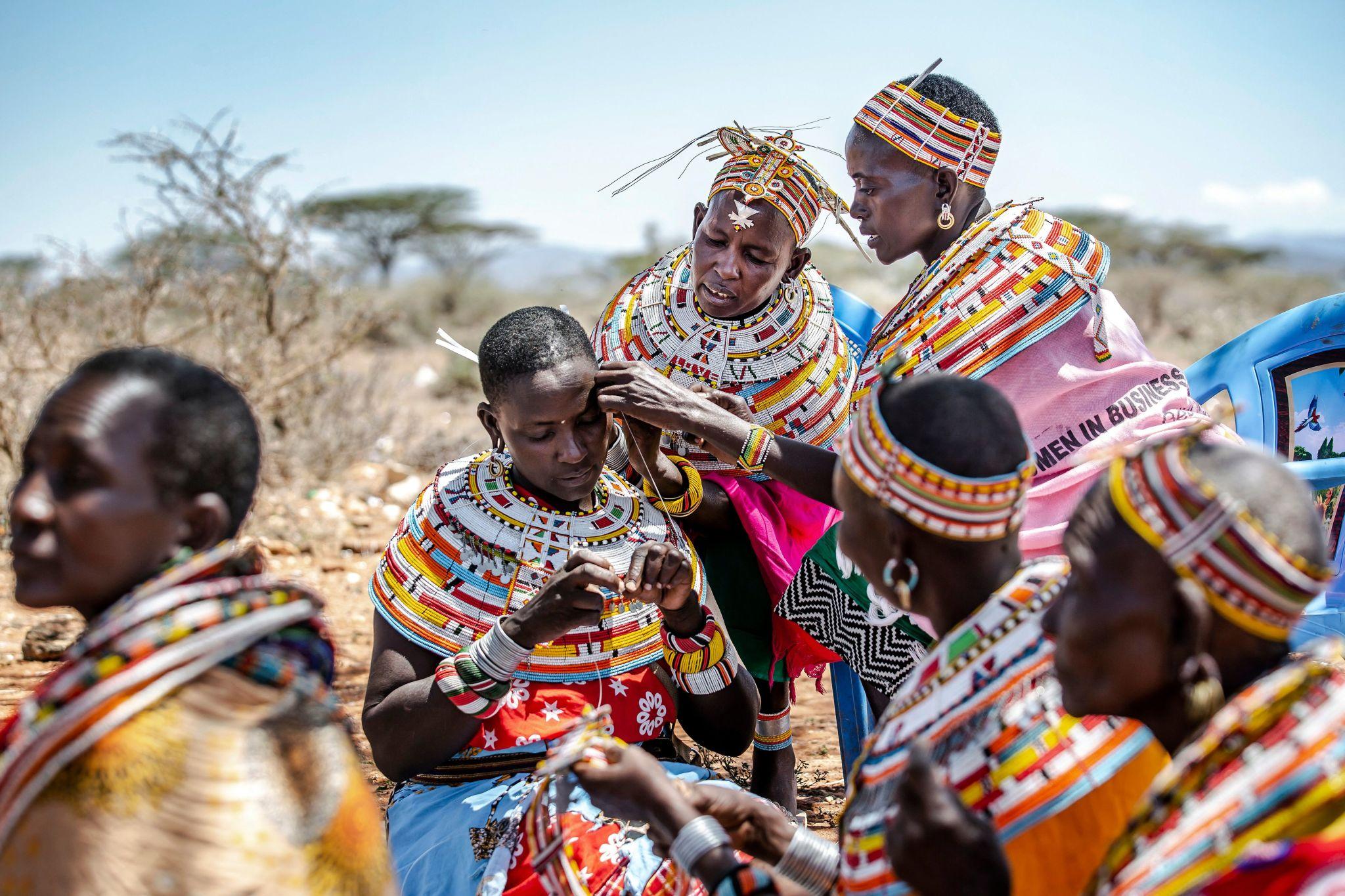
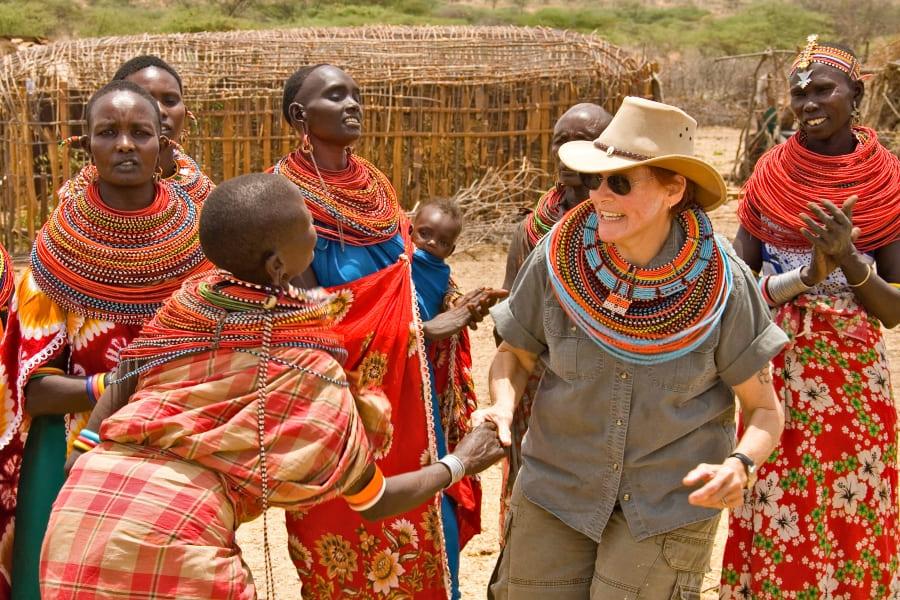
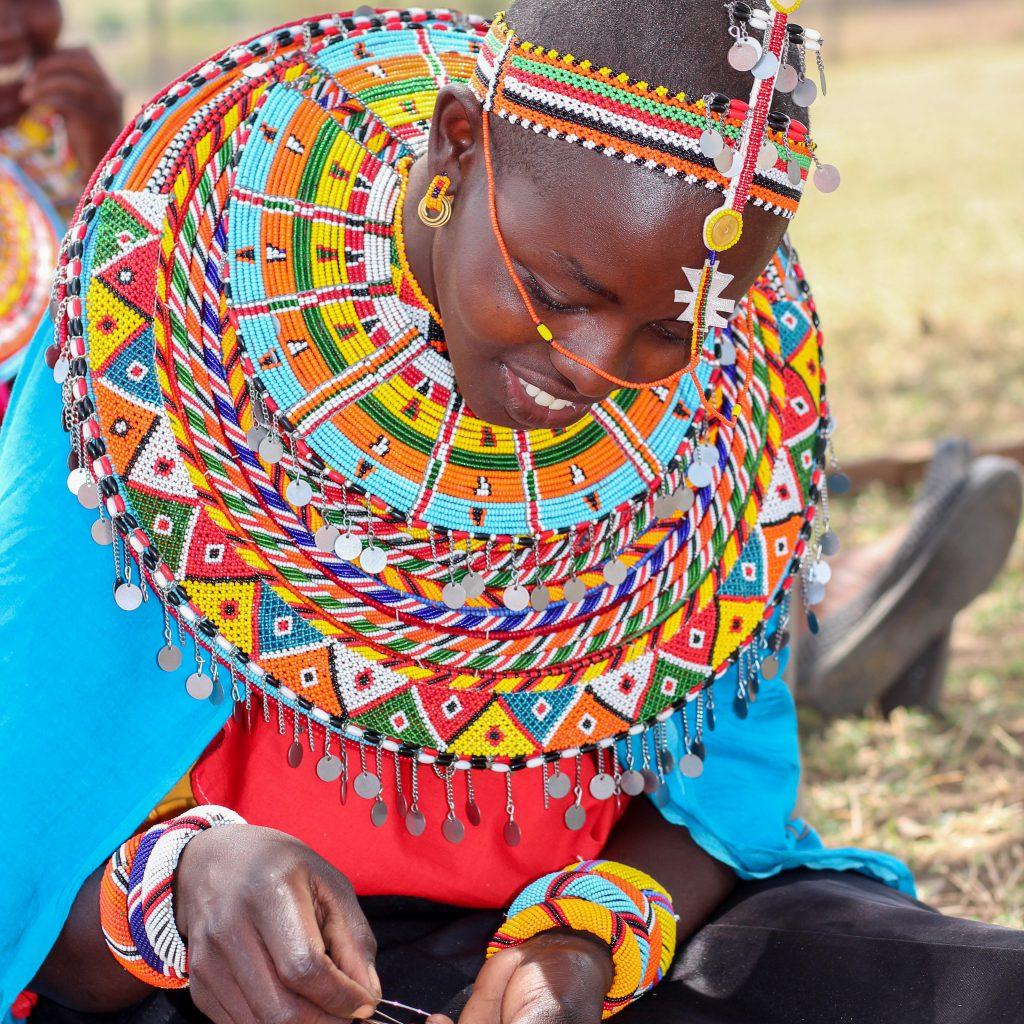
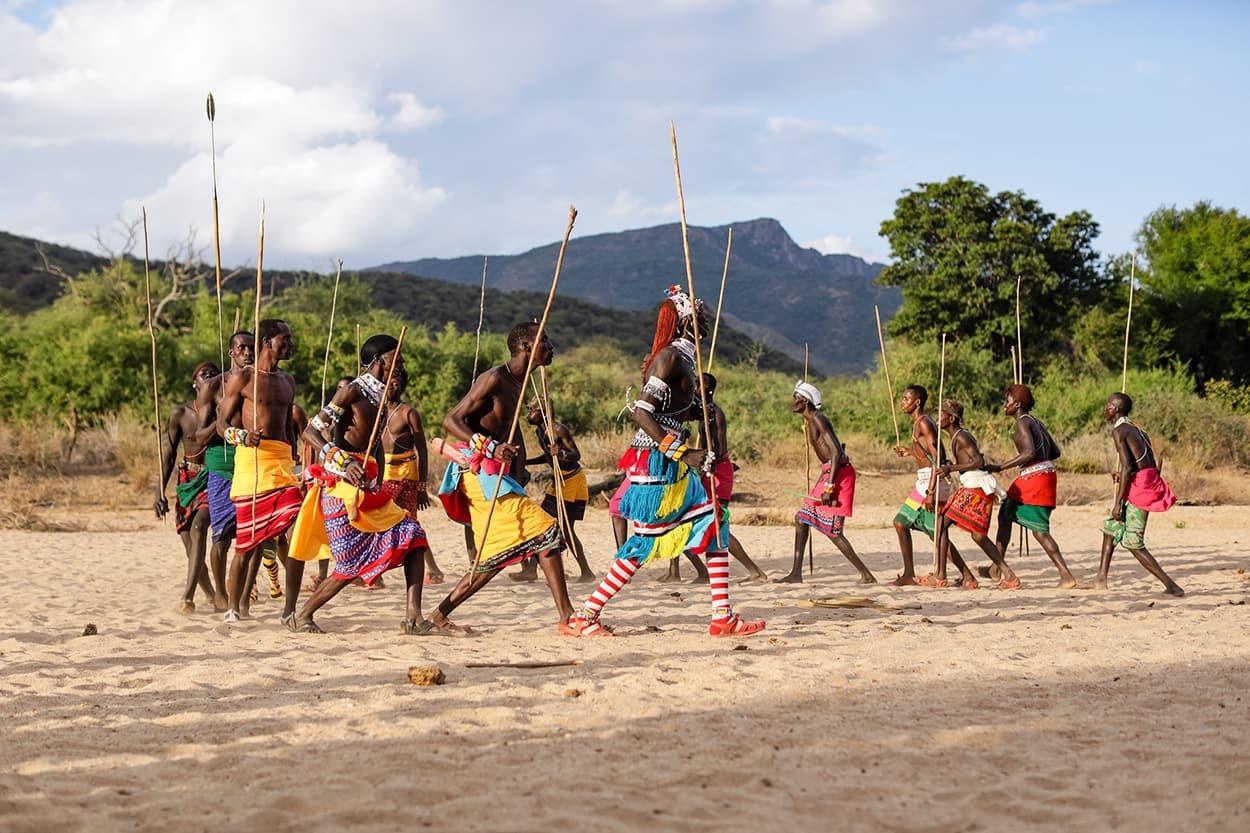
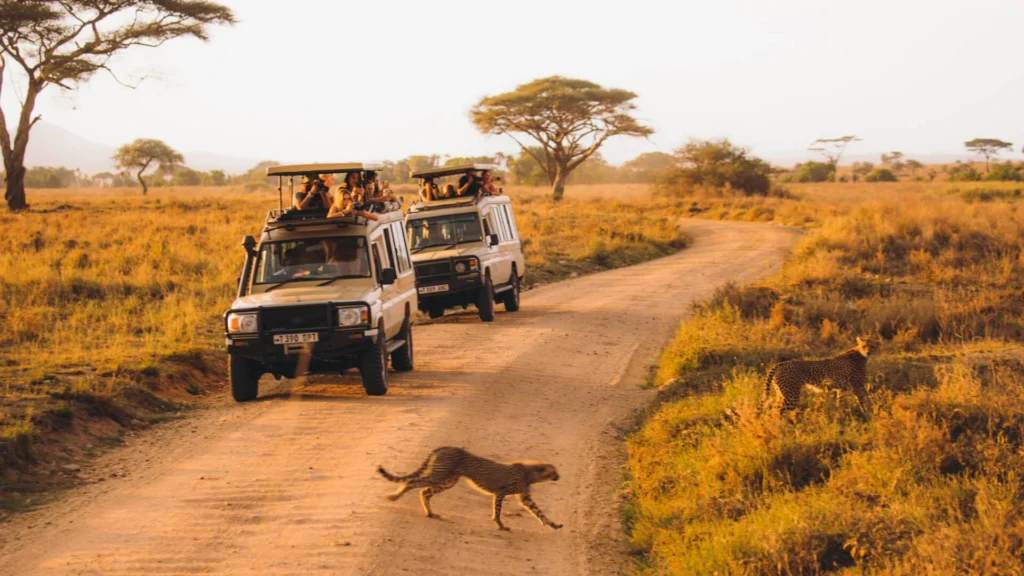
Guests take part in guided game drives led by professionals, looking for animals like elephants, lions, giraffes, zebras, endangered black rhinos, and many other wildlife species. Unlike regular safaris that only let you watch animals, these trips let you learn directly from people who work on wildlife protection.You can find out about efforts to stop poaching, fix habitats, track animals for research, and the difficulties of keeping nature safe while also helping local communities. The trip also involves important cultural interactions with the Samburu people, whose traditional ways of life and herding practices have long influenced the natural environment of northern Kenya. Guests get to take part in real cultural activities like showing how to make beads, telling stories, playing music, and talking about how indigenous people take care of their animals. These respectful meetings honor cultural traditions and help local families earn a steady income.
Studies by the African Wildlife Foundation and the International Union for Conservation of Nature show that when local communities are involved in conservation efforts, it helps protect wildlife and ecosystems better.At the same time, these efforts also bring real financial gains to the people living nearby. By selecting experiences in community conservancies, travelers help support this effective conservation approach.
Why Choose Continental Travel & Tours for Your East Africa Adventure?
Organizing a safari that covers multiple countries like Rwanda, Uganda, and Kenya needs a good understanding of the region, trustworthy local connections, and careful planning of all the logistics. At Continental Travel & Tours, our team focuses on creating customized trips that include real cultural experiences, amazing wildlife encounters, and eco-friendly travel practices.
Instead of following set travel plans, we partner with reliable local guides, conservation groups, community groups, and carefully chosen mid-range eco-lodges to make sure each trip offers real benefits for both our travelers and the local communities. Our itineraries are always being updated based on feedback from destinations, changes in conservation goals, and new interests from travelers to ensure the experiences are real, meaningful, and environmentally friendly.
We know that today’s travelers are looking for trips that match their values and offer real, meaningful experiences. This plan shows our dedication to traveling responsibly by helping local businesses, taking care of the environment, protecting cultural traditions, and making a good economic difference in East Africa.
Our expert travel specialists are here before, during, and after every trip to offer professional advice, real help, and tailored support, making sure your travel experience is smooth and unforgettable from the moment you arrive until you leave.
Why This Tour Stands Apart
Many East African travel plans mainly focus on visiting well-known sights that are usually listed in guidebooks. This 14-day East Africa Regenerative Journey is carefully planned to help you make lasting memories by connecting with real people, experiencing nature in a sustainable way, and learning about local cultures in a meaningful way.
Guests don’t just visit coffee farms; they help harvest coffee with the farming families. Instead of just watching from afar, visitors interact politely with indigenous communities and learn about their traditional ways, including music, farming, and how they take care of the environment. Wildlife encounters are more special because visitors realize that tourism helps protect animal homes, stop poaching, teach people about nature, and support local communities.
By choosing this journey, travelers get to see East Africa in more than just its amazing landscapes and animals. They also meet the people there, whose lives and traditions make these places so special. Seeing mountain gorillas come out of the forests in Bwindi, walking on volcanic paths in the Virunga Mountains, enjoying fresh coffee with farmers near Lake Kivu, or helping protect rhinos in Kenya every day helps you learn more about East Africa and makes a good, long-lasting difference there.